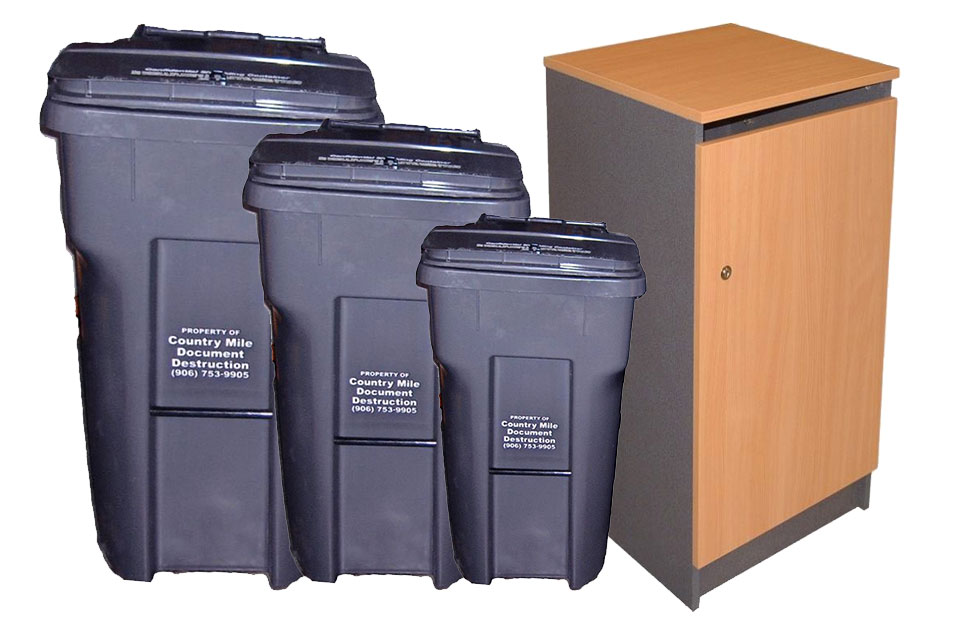
You must follow clear dos and don’ts for secure document shredding to protect your business, employees, and customers from data exposure. This post explains what you can safely place in a Country Mile Document Destruction® container, which items require specialized disposal, and simple policies to strengthen your document destruction program.
Importance of Document Security
Securing documents protects your organization from identity theft, regulatory exposure, and costly remediation after a breach. By shredding PII-like Social Security numbers, bank details, and client records, you reduce the window for data theft and align disposal with retention policies. When you build secure destruction into daily workflows, you preserve customer trust and ensure sensitive paper is destroyed into confetti-sized pieces and recycled responsibly.
Risks of Improper Disposal
Improper disposal leaves your paper and e-media exposed to theft, fraud, and reputational damage. Electronics in regular bins raise fire risk-lithium batteries contributed to a 15% rise in fires at U.S. and Canadian facilities (373 to 430 incidents)-and mixing prohibited items can cause container damage, contamination, and potential regulatory scrutiny of your disposal practices.
Benefits of Secure Shredding
Secure shredding limits access and delivers consistent, auditable destruction: Country Mile Document Destruction® containers feature locks and a beveled slot to prevent retrieval, and reduce disposal liability. You also gain access to specialized e-media services for hard drives and CDs that shouldn’t enter normal shredding streams.
Adopting an approach makes it simple for your team to dispose of non-retained documents immediately into locked containers; the variety of lock systems and beveled slots prevent tampering, while containers meet EPP standards. You manage high volumes securely, maintain compliance with retention rules, and minimize both physical and environmental risks by routing shredded material for responsible recycling.
Dos: What Can Go into Secure Shredding Containers
Most paper-based sensitive work information can go into a secure Country Mile Document Destruction® container: PII, financial reports, executive memos, budgets, HR files, and marketing research. You can toss stapled or clipped packets and small metal items like paper clips. Containers lock, keeping inserted documents inaccessible until they’re shredded and recycled.
Sensitive Work Information
Include documents that contain SSNs, bank and tax account numbers, payroll records, employment applications, contracts, NDAs, and patent drafts – anything that could be used for identity theft or compromise intellectual property. You should shred budget spreadsheets, hiring plans, and procurement bids from C-suite, accounting, HR, R&D, and sales teams to limit exposure.
General Guidelines for Disposal
Follow your company retention schedule and legal-hold procedures before disposal; some records must be kept for years. You should never mix prohibited items – electronics, lithium batteries, syringes, or glass – into containers because they pose fire, contamination, or damage risks (electronics-related fires rose 15% in recent U.S./Canada reports).
Set a documented retention schedule: tax documents are commonly kept 3-7 years, employment and benefits files often 3-7 years after termination, and contracts are typically retained for six years beyond completion in many jurisdictions. Train staff, label confidential streams, audit disposal practices quarterly, and schedule container pickups weekly or by fill level to prevent overflow and unauthorized access.
Don’ts: What Cannot Go into Secure Shredding Containers
Do not place items that pose fire, biohazard, chemical, or mechanical risk into secure shredding containers; electronics, sharps, pressurized cans, glass, and hazardous waste can damage containers, create safety hazards for collection crews, contaminate recycling streams, and may void service agreements if improperly disposed.
Electronics and Their Risks
Many electronic devices contain lithium batteries that can overheat, ignite, or explode when compressed. Paper-reported fires at U.S. and Canadian waste facilities climbed 15%, from 373 to 430 incidents. You should route laptops, phones, and e-media to certified e-waste or hard-drive destruction services; Country Mile Document Destruction® offers specialized e-media disposal to protect both data and safety.
Other Hazardous Items
Syringes, glass, ink/toner cartridges, aerosol cans, batteries, chemicals, and even food can puncture containers, contaminate recyclables, or create biohazard exposures. You should segregate these materials and use designated hazardous-waste, medical-sharps, or manufacturer take-back programs instead of placing them in a secure shredding container.
For example, put needles in approved sharps containers and schedule medical-waste pickup; return ink and toner to vendors or certified recyclers due to heavy-metal contents; recycle fluorescent bulbs and dispose of aerosols through local hazardous-waste collections because mercury and pressurized propellants pose disposal risks. You should follow OSHA and local regulations for handling, labeling, and documentation.
Implementing a Policy
Policy in practice
Mandate that all non-retained papers go into locked Country Mile Document Destruction® containers and consult your retention schedule before disposal; finance records, for example, often require multi-year retention. Set weekly pickups for offices with more than 50 staff and biweekly for smaller teams, and run 15-minute onboarding plus quarterly refresher training. Perform quarterly audits-aim for >95% compliance-logging chain-of-custody and vendor destruction certificates for verification.
Features of Country Mile Document Destruction® Security Containers
Design and Security
The containers offer multiple lock systems for tiered access control, and are compliant with Environmentally Preferred Product (EPP) standards. You can toss stapled or clipped documents and small metal items like paper clips without separating them, while avoiding electronics, syringes, or other prohibited items per the materials acceptance policy.
Additional Data Protection Strategies
Layered safeguards
You should encrypt stored files with AES‑256 and use TLS 1.2+ for data in transit, enable multi‑factor authentication (MFA)-which Microsoft reports blocks over 99.9% of automated account attacks-and run quarterly compliance audits plus annual phishing simulations to cut click rates by up to 50%. Maintain chain‑of‑custody logs and CCTV during on‑site destruction, classify documents so high‑risk items receive immediate on‑site shredding, and set retention schedules aligned with your legal and company policies.
Final Words
Hence, you should treat document disposal as a security task: use Country Mile Document Destruction® containers for sensitive paper, follow your retention policy before discarding, never place electronics, syringes, or hazardous items in shredding bins, and enforce a shred-all culture so your organization and clients stay protected.