With this guide, you will learn what counts as an approved sharps container, how to prepare and seal it safely, and the disposal options available to you for your safe disposal, drop-off sites, mail-back programs, HHW collections, and special pickups. Disposal rules vary by location, so use the Michigan EGLE sharps collection list PDF to find county-specific drop-off sites and the Wisconsin DNR sharps collector map to locate local options; never place sharps containers in regular trash or recycling.
Selecting the Right Container for Sharps Disposal
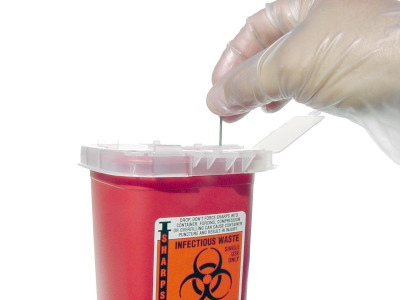
Match container size and certification to your use: retail sharps containers commonly run 1–2 gallons (4–8 L) for home use, while clinics use larger, lockable bins; mail-back programs send FDA-cleared, postage-paid containers designed for shipping. Choose based on how often you dispose, storage space, and your planned disposal route, drop-off, HHW event, or mail-back. Verify local acceptance using Michigan’s county list and Wisconsin’s collector map.
Characteristics of an Approved Sharps Container
Look for puncture-resistant, rigid plastic with a tight-fitting, resealable or locking lid and a leak-proof bottom; many approved containers meet ANSI or FDA guidance and include a fill line and clear “SHARPS” labeling. Capacity should suit your usage: small (≈1 quart) for travel, 1–2 gallons for home, and a tamper-resistant closure prevents accidental openings. Avoid glass or thin plastics and tape the lid shut once full; date and seal before transport.
DIY Options: When to Create Your Own Container
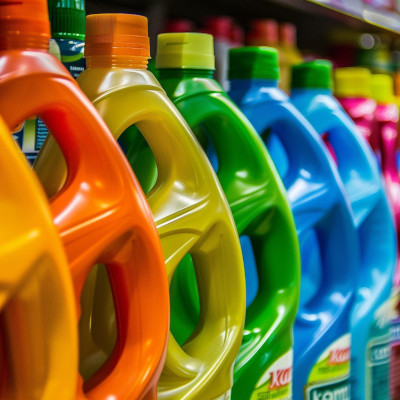
Create a homemade container only if approved containers aren’t accessible and local rules permit; use a heavy-duty detergent or bleach bottle with a screw cap (rigid, not thin), leave a 1–2 inch air gap below the neck, label it “SHARPS,” and never use glass. Mail-back services typically require FDA-cleared containers, so plan to use drop-off sites or HHW events listed for your county in Michigan’s PDF or via Wisconsin’s map if you go DIY.
Follow a clear prep routine: cut no extra openings, drop needles point-first, stop filling at about two-thirds capacity, secure the cap with heavy-duty tape, label with contents and date, then take the sealed container to an approved drop-off (hospital, pharmacy, health department, police/fire station) or HHW event. Note that Michigan’s county list shows varying acceptance rules by county, and some Wisconsin collectors specify accepted container types on the interactive map, so confirm acceptance before disposal.
Responsible Disposal Methods: What’s Available Near You
Drop-off sites, mail-back programs, and household hazardous waste (HHW) collections are the main options you can use to dispose of full sharps containers safely; hospitals, pharmacies, health departments, police or fire stations, and licensed medical-waste facilities commonly accept them. Check the Michigan EGLE sharps-collection PDF for county-specific lists and use the Wisconsin DNR interactive map to locate permitted collectors near you. Verify hours, fees, container requirements, and appointment rules with your local waste or health authority before you go.
Exploring Mail-back Programs: How They Work
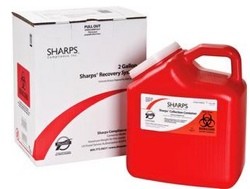
Mail-back services send you an FDA-cleared, pre-addressed, and often postage-paid sharps container; you fill it, seal it per instructions, then drop it in the mail or hand it to the carrier for transport to an authorized disposal facility. Vendors and some state programs provide tracking and final-disposal certificates, and you should review the vendor’s instructions for packaging, labeling, and hazardous-shipping documentation before sending.
Follow postal and state shipping rules by taping lids, using provided pre-paid labels, and not overfilling containers. Check whether your Michigan county permits mail-back (some local programs favor in-person drop-off) by consulting the EGLE PDF, and use the Wisconsin DNR collectors map to compare local alternatives. Ask providers about one-time fees versus subscription plans and confirm turnaround time for disposal confirmation.
Special Household Hazardous Waste Events: Taking Advantage of Local Opportunities
Many counties run HHW collection events or maintain permanent HHW centers that accept sealed sharps containers alongside paint, solvents, and expired medications; events often occur in spring and fall or on scheduled monthly dates. Register online if required, bring clearly labeled, sealed containers, and follow staff instructions for safe handoff. Check your municipality’s waste page or county health department listing for dates, hours, and any per-vehicle limits before attending.
Expect possible per-household caps (commonly 1–5 containers), proof-of-residency requirements, appointment-only slots, and occasional small service fees. Do not open or repack containers at the event—staff will inspect and transfer them to licensed handlers. Use the Michigan EGLE contact list to find county HHW organizers and the Wisconsin DNR map to locate nearby collection events and facility hours.
Navigating Michigan’s County-Based Disposal Options
Michigan’s EGLE PDF organizes sharps collectors by county so you can look up your county health department, hospitals, pharmacies, or designated HHW centers and get addresses, phone numbers, and any appointment rules. You should bring an approved puncture‑resistant container, a commercial sharps container, or a heavy‑duty labeled plastic bottle, and follow the listed instructions; some counties accept mail‑back kits if no local drop‑off exists.
The Interactive Map: Finding Wisconsin’s Disposal Sites
Wisconsin’s DNR map lets you search by ZIP, city, or county and filter results to see transfer stations, pharmacies, health departments, and special-collection events that accept sealed sharps containers. You can view site addresses, contact info, and notes on accepted container types; if a nearby pin lists limited hours or appointment-only intake, plan accordingly or opt for an FDA‑cleared mail‑back service.
Use the interactive map to click site pins and read detailed entries showing hours, phone numbers, and accepted container formats. Some sites accept only labeled, sealed FDA‑cleared containers, while others allow heavy‑duty household bottles with “SHARPS” marked. You should check whether a site charges a fee or requires proof of residency; if the map shows no convenient option, search for mail‑back kits or upcoming HHW events as alternatives.
Preparing Your Sharps for Safe Disposal
Use a puncture-resistant, hard-plastic container with a tight-fitting, resealable lid—either a purpose-made sharps container or a heavy-duty detergent/bleach bottle clearly labeled “SHARPS.” Drop needles point-first and never bag loose sharps. Stop filling at the manufacturer’s fill line or roughly three-quarters full, then tape the lid securely and affix the label.
Proper Practices: Filling and Sealing Your Container
Place sharps directly into the container point-first and avoid forcefully pushing contents down; never recap, bend, or break needles. Stop at the fill line or about 75% capacity to reduce needlestick risk during handling. Apply heavy-duty tape over the lid and secure any locking mechanisms, then label the sealed unit “SHARPS.” For mail-back programs, you’ll use the FDA-cleared, postage-paid container provided and follow the vendor’s sealing instructions before shipping.
Common Mistakes to Avoid for Safety and Compliance
Putting sharps in regular trash or recycling, using glass or thin plastic containers, overfilling, and placing loose needles in bags are frequent errors that increase injury and violate local rules. Reusing single-use containers and failing to label or tape lids can result in refusal at drop-off sites or fines. Local jurisdictions vary—some Michigan counties require drop-off at specific facilities (see EGLE list), and Wisconsin collectors are mapped by the DNR.
To prevent these mistakes, inspect containers for damage before use and follow county-specific rules: consult Michigan’s sharps collection list PDF for county drop-off requirements and the Wisconsin DNR map for approved collectors. If you choose mail-back, use only the provided FDA-cleared container and the included prepaid envelope; HHW events often require containers taped and labeled. When in doubt, contact your local health department or waste authority for site-specific acceptance criteria.
What to Do After Disposal: Next Steps
After you drop off or mail back a sealed sharps container, keep the receipt or tracking number and note the date, location, and method of disposal; many mail-back programs provide USPS tracking, and hospitals or pharmacies often give a receipt. Retain records for at least 30 days in case of questions from landlords, employers, or local health authorities, and photograph labels or seals if you made a DIY container to document proper sealing and labeling.
Understanding the Impact of Proper Disposal
Proper disposal directly reduces the risk of needlestick injuries to sanitation workers, first responders, and household members; the CDC estimates roughly 385,000 needlestick injuries occur among U.S. hospital workers annually, and community exposures rise when sharps enter regular trash. You prevent contamination of recycling streams, avoid regulatory violations, and support local programs. Communities with active drop-off networks report fewer improper disposals and lower cleanup incidents at transfer stations.
To wrap up
With this in mind, you should use an approved puncture‑resistant sharps container, seal it when full, and dispose of it via local drop‑off sites, mail‑back programs, HHW collection, or special pickup. Disposal rules vary by county in Michigan. Check the state county list and by location in Wisconsin, use the statewide collection map and consult your local health or waste authority or SafeNeedleDisposal.org to confirm accepted sites and procedures for safe, compliant disposal of your sharps container.
Related Blog Posts
- A Guide to Sharps Container Disposal
- The Ultimate Guide To Medical Waste Disposal – Best Practices And Regulations
- Understanding Biomedical Waste Disposal – Essential Steps For Healthcare Facilities
- Effective Medical Waste Management Strategies For Hospitals And Clinics
- Sharps Waste Disposal 101 – How To Safely Handle And Dispose Of Medical Needles
- Navigating Biohazard Medical Waste – What You Need To Know For Compliance And Safety
- Stericycle Waste Management – A Comprehensive Review Of Their Biomedical Waste Services
- Pharmaceutical Waste Disposal – Why Proper Handling Matters For Public Health
- Top 5 Challenges In Biomedical Waste Management And How To Overcome Them
- The Importance Of Medical Needle Disposal – Protecting Staff And Patients Alike
- Best Practices For Safe And Sustainable Medical Waste Management In Your Facility


Leave a Reply