Category: Medical Waste Disposal

Medical waste disposal is the safe and regulated process of handling, treating, and discarding waste generated by healthcare facilities, such as hospitals, clinics, dental offices, and laboratories. This includes anything from used needles and contaminated gloves to pathological waste and expired medications. Proper disposal is critical not only to prevent the spread of infections and protect public health but also to ensure environmental safety and compliance with federal and state regulations. Specialized methods like autoclaving, incineration, and chemical treatment are used depending on the type of waste.

  • A Guide to Sharps Container Disposal

    With this guide, you will learn what counts as an approved sharps container, how to prepare and seal it safely, and the disposal options available to you for your safe disposal, drop-off sites, mail-back programs, HHW collections, and special pickups. Disposal rules vary by location, so use the Michigan EGLE sharps collection list PDF to find county-specific drop-off sites and the Wisconsin DNR sharps collector map to locate local options; never place sharps containers in regular trash or recycling.

    Selecting the Right Container for Sharps Disposal
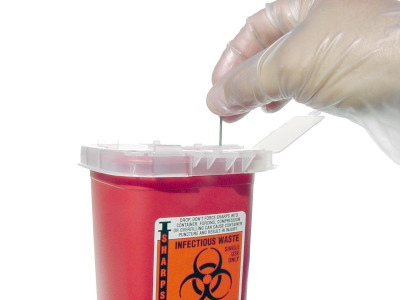
    Red sharps container with biohazard symbol for safe disposal of needles and medical sharps.
    Certified Sharps Container

    Match container size and certification to your use: retail sharps containers commonly run 1–2 gallons (4–8 L) for home use, while clinics use larger, lockable bins; mail-back programs send FDA-cleared, postage-paid containers designed for shipping. Choose based on how often you dispose, storage space, and your planned disposal route, drop-off, HHW event, or mail-back. Verify local acceptance using Michigan’s county list and Wisconsin’s collector map.

    Characteristics of an Approved Sharps Container

    Look for puncture-resistant, rigid plastic with a tight-fitting, resealable or locking lid and a leak-proof bottom; many approved containers meet ANSI or FDA guidance and include a fill line and clear “SHARPS” labeling. Capacity should suit your usage: small (≈1 quart) for travel, 1–2 gallons for home, and a tamper-resistant closure prevents accidental openings. Avoid glass or thin plastics and tape the lid shut once full; date and seal before transport.

    DIY Options: When to Create Your Own Container
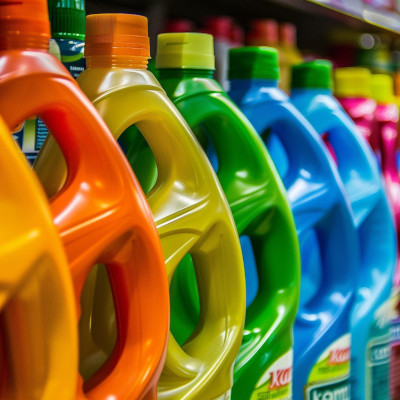
    Repurposed detergent bottles labeled for safe use as makeshift sharps containers.
    Repurposed detergent bottles labeled for safe use as makeshift sharps containers.

    Create a homemade container only if approved containers aren’t accessible and local rules permit; use a heavy-duty detergent or bleach bottle with a screw cap (rigid, not thin), leave a 1–2 inch air gap below the neck, label it “SHARPS,” and never use glass. Mail-back services typically require FDA-cleared containers, so plan to use drop-off sites or HHW events listed for your county in Michigan’s PDF or via Wisconsin’s map if you go DIY.

    Follow a clear prep routine: cut no extra openings, drop needles point-first, stop filling at about two-thirds capacity, secure the cap with heavy-duty tape, label with contents and date, then take the sealed container to an approved drop-off (hospital, pharmacy, health department, police/fire station) or HHW event. Note that Michigan’s county list shows varying acceptance rules by county, and some Wisconsin collectors specify accepted container types on the interactive map, so confirm acceptance before disposal.

    Responsible Disposal Methods: What’s Available Near You

    Drop-off sites, mail-back programs, and household hazardous waste (HHW) collections are the main options you can use to dispose of full sharps containers safely; hospitals, pharmacies, health departments, police or fire stations, and licensed medical-waste facilities commonly accept them. Check the Michigan EGLE sharps-collection PDF for county-specific lists and use the Wisconsin DNR interactive map to locate permitted collectors near you. Verify hours, fees, container requirements, and appointment rules with your local waste or health authority before you go.
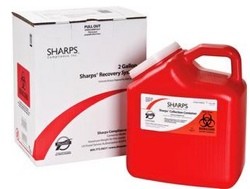
    Mail-back sharps container with prepaid shipping box for safe medical waste disposal.
    Mail Back Sharps Container

    Exploring Mail-back Programs: How They Work

    Mail-back services send you an FDA-cleared, pre-addressed, and often postage-paid sharps container; you fill it, seal it per instructions, then drop it in the mail or hand it to the carrier for transport to an authorized disposal facility. Vendors and some state programs provide tracking and final-disposal certificates, and you should review the vendor’s instructions for packaging, labeling, and hazardous-shipping documentation before sending.

    Follow postal and state shipping rules by taping lids, using provided pre-paid labels, and not overfilling containers. Check whether your Michigan county permits mail-back (some local programs favor in-person drop-off) by consulting the EGLE PDF, and use the Wisconsin DNR collectors map to compare local alternatives. Ask providers about one-time fees versus subscription plans and confirm turnaround time for disposal confirmation.

    Special Household Hazardous Waste Events: Taking Advantage of Local Opportunities

    Many counties run HHW collection events or maintain permanent HHW centers that accept sealed sharps containers alongside paint, solvents, and expired medications; events often occur in spring and fall or on scheduled monthly dates. Register online if required, bring clearly labeled, sealed containers, and follow staff instructions for safe handoff. Check your municipality’s waste page or county health department listing for dates, hours, and any per-vehicle limits before attending.

    Expect possible per-household caps (commonly 1–5 containers), proof-of-residency requirements, appointment-only slots, and occasional small service fees. Do not open or repack containers at the event—staff will inspect and transfer them to licensed handlers. Use the Michigan EGLE contact list to find county HHW organizers and the Wisconsin DNR map to locate nearby collection events and facility hours.

    Navigating Michigan’s County-Based Disposal Options

    Michigan’s EGLE PDF organizes sharps collectors by county so you can look up your county health department, hospitals, pharmacies, or designated HHW centers and get addresses, phone numbers, and any appointment rules. You should bring an approved puncture‑resistant container, a commercial sharps container, or a heavy‑duty labeled plastic bottle, and follow the listed instructions; some counties accept mail‑back kits if no local drop‑off exists.

    The Interactive Map: Finding Wisconsin’s Disposal Sites

    Wisconsin’s DNR map lets you search by ZIP, city, or county and filter results to see transfer stations, pharmacies, health departments, and special-collection events that accept sealed sharps containers. You can view site addresses, contact info, and notes on accepted container types; if a nearby pin lists limited hours or appointment-only intake, plan accordingly or opt for an FDA‑cleared mail‑back service.

    Use the interactive map to click site pins and read detailed entries showing hours, phone numbers, and accepted container formats. Some sites accept only labeled, sealed FDA‑cleared containers, while others allow heavy‑duty household bottles with “SHARPS” marked. You should check whether a site charges a fee or requires proof of residency; if the map shows no convenient option, search for mail‑back kits or upcoming HHW events as alternatives.

    Preparing Your Sharps for Safe Disposal

    Use a puncture-resistant, hard-plastic container with a tight-fitting, resealable lid—either a purpose-made sharps container or a heavy-duty detergent/bleach bottle clearly labeled “SHARPS.” Drop needles point-first and never bag loose sharps. Stop filling at the manufacturer’s fill line or roughly three-quarters full, then tape the lid securely and affix the label.

    Proper Practices: Filling and Sealing Your Container

    Place sharps directly into the container point-first and avoid forcefully pushing contents down; never recap, bend, or break needles. Stop at the fill line or about 75% capacity to reduce needlestick risk during handling. Apply heavy-duty tape over the lid and secure any locking mechanisms, then label the sealed unit “SHARPS.” For mail-back programs, you’ll use the FDA-cleared, postage-paid container provided and follow the vendor’s sealing instructions before shipping.

    Common Mistakes to Avoid for Safety and Compliance

    Putting sharps in regular trash or recycling, using glass or thin plastic containers, overfilling, and placing loose needles in bags are frequent errors that increase injury and violate local rules. Reusing single-use containers and failing to label or tape lids can result in refusal at drop-off sites or fines. Local jurisdictions vary—some Michigan counties require drop-off at specific facilities (see EGLE list), and Wisconsin collectors are mapped by the DNR.

    To prevent these mistakes, inspect containers for damage before use and follow county-specific rules: consult Michigan’s sharps collection list PDF for county drop-off requirements and the Wisconsin DNR map for approved collectors. If you choose mail-back, use only the provided FDA-cleared container and the included prepaid envelope; HHW events often require containers taped and labeled. When in doubt, contact your local health department or waste authority for site-specific acceptance criteria.

    What to Do After Disposal: Next Steps

    After you drop off or mail back a sealed sharps container, keep the receipt or tracking number and note the date, location, and method of disposal; many mail-back programs provide USPS tracking, and hospitals or pharmacies often give a receipt. Retain records for at least 30 days in case of questions from landlords, employers, or local health authorities, and photograph labels or seals if you made a DIY container to document proper sealing and labeling.

    Understanding the Impact of Proper Disposal

    Proper disposal directly reduces the risk of needlestick injuries to sanitation workers, first responders, and household members; the CDC estimates roughly 385,000 needlestick injuries occur among U.S. hospital workers annually, and community exposures rise when sharps enter regular trash. You prevent contamination of recycling streams, avoid regulatory violations, and support local programs. Communities with active drop-off networks report fewer improper disposals and lower cleanup incidents at transfer stations.

    To wrap up

    With this in mind, you should use an approved puncture‑resistant sharps container, seal it when full, and dispose of it via local drop‑off sites, mail‑back programs, HHW collection, or special pickup. Disposal rules vary by county in Michigan. Check the state county list and by location in Wisconsin, use the statewide collection map and consult your local health or waste authority or SafeNeedleDisposal.org to confirm accepted sites and procedures for safe, compliant disposal of your sharps container.

    Related Blog Posts

  • The Ultimate Guide To Medical Waste Disposal – Best Practices And Regulations

    CMMW - Country Mile Medical Waste

    Just as you prioritize the health and safety of your patients, managing medical waste with care is vital for maintaining a safe environment. In this comprehensive guide, you will learn about the best practices and regulations surrounding medical waste disposal to help you navigate the complexities of this vital aspect of healthcare. By understanding proper disposal methods and compliance standards, you can ensure that your facility operates efficiently while safeguarding public health and the environment.

    The Life Cycle of Medical Waste: From Generation to Disposal

    The journey of medical waste begins the moment it’s generated, passing through multiple phases that ultimately lead to its safe disposal. Each stage, from creation in clinics or hospitals to final treatment or destruction in specialized facilities, demands strict adherence to safety protocols and regulations. Understanding this life cycle empowers healthcare providers to manage waste responsibly and ensure the well-being of the community and environment.

    Identifying Medical Waste Categories

    Classifying medical waste into distinct categories—such as infectious, hazardous, and non-hazardous—is vital for implementing appropriate disposal methods. Proper identification prevents mishandling and ensures that each type of waste is treated according to its specific risks, aligning with regulatory requirements and best practices.

    Generating Safe Practices at the Source

    Establishing safe waste generation practices at the source minimizes health risks and environmental impacts associated with medical waste. By integrating protocols that focus on proper segregation, labeling, and containment, you can significantly reduce the likelihood of accidental exposure or cross-contamination. For instance, utilizing appropriately colored bins for sharps, biohazardous waste, and recyclable materials not only streamlines disposal processes but also enhances compliance with regulations.

    Implementing safe practices at the source requires continuous education and training within your facility. Regularly scheduled training sessions for staff about waste segregation can foster a culture of safety and responsibility. Additionally, creating visual aids and reminders in waste handling areas can reinforce proper procedures, reducing the potential for errors. Active engagement with all employees encourages collective ownership and accountability, effectively transforming waste management from a regulatory requirement into a fundamental institutional value.

    Navigating the Maze: Regulatory Frameworks for Medical Waste

    Understanding the regulatory frameworks surrounding medical waste disposal is vital for ensuring compliance and safeguarding public health. The complexity of these regulations can vary significantly from federal to state levels, presenting unique challenges for healthcare facilities in maintaining best practices. Familiarizing yourself with these guidelines minimizes liability risks and promotes responsible waste management within your organization.

    Federal Regulations: The Role of EPA and OSHA

    The Environmental Protection Agency (EPA) and the Occupational Safety and Health Administration (OSHA) play pivotal roles in regulating medical waste disposal. The EPA oversees the management of hazardous waste, including infectious materials, while OSHA focuses on workplace safety standards applicable to handling medical waste. Their regulations mandate proper waste segregation, labeling, and safe transport practices, ensuring both environmental protection and employee safety.

    State Regulations: Variability and Compliance Challenges

    State regulations regarding medical waste disposal often differ from federal standards, leading to potential compliance challenges for healthcare providers. Each state develops its own criteria, which can range from stringent to lenient, depending on local health concerns and legislative priorities. As a result, you may find yourself navigating a patchwork of requirements that require continuous monitoring and adaptation.

    This variability means you must stay vigilant about changes in state laws and guidelines, as failure to comply can result in fines, litigation, and damage to your facility’s reputation. For instance, California has strict regulations and requires treatment of medical waste on-site, while states like Texas may offer more flexibility with disposal methods. Regular training and comprehensive audits of your waste management practices can help you keep pace with these differing regulations and avoid costly penalties.

    Best Practices for Segregation and Storage of Medical Waste

    Adhering to best practices for segregation and storage of medical waste enhances safety and compliance while reducing the risk of contamination and exposure. Begin by clearly defining categories for waste types—hazardous, non-hazardous, recyclable, and general waste. Use dedicated containers and bins for each category to prevent cross-contamination, and ensure that staff are trained in proper waste handling protocols. Regular audits can help monitor compliance and improve practices over time.

    Color-Coded Disposal Systems: Simplifying Compliance

    Color-coded disposal systems streamline the process of managing medical waste by providing a visual guide for classification. Different colors typically represent specific waste types: red for biohazardous materials, yellow for infectious waste, and black for general waste. Implementing this system not only improves compliance with regulations but also simplifies training for new staff, reducing the chance of human error during waste segregation.

    Safe Storage Solutions: Minimizing Risks

    Ensuring safe storage of medical waste is pivotal in minimizing health risks and environmental contamination. Designate secure areas with limited access where all categorized waste is kept until disposal. Use robust, leak-proof containers with tight-fitting lids and ensure they are clearly labeled according to waste type. Additionally, maintain controlled temperatures to limit any risk associated with infection or chemical degradation.

    Investing in advanced storage solutions enhances safety measures for your facility. For example, utilizing refrigerated containers for specific types of medical waste can significantly reduce the risk of spills and odors. Implementing a monitoring system with alarms for temperature deviations ensures that the integrity of the waste remains intact. Regular training sessions for staff on safe handling and storage practices reinforce the importance of safety protocols and ensure consistent compliance with regulations, thus preserving the health of waste management personnel and the surrounding environment.

    Transportation Protocols: Ensuring Safe and Secure Movement

    Implementing robust transportation protocols is necessary for maintaining compliance and safety during the movement of medical waste. This entails strict adherence to regulatory guidelines, secure packaging methods, and trained personnel overseeing each phase of transport. Both internal and external logistics must be managed effectively to mitigate risks, protect public health, and ensure that all waste is tracked from the point of origin to final disposal.

    Internal Transportation: Best Practices within Facilities

    Internally transporting medical waste requires clearly designated pathways and processes to prevent cross-contamination. Staff should receive training on proper handling and storage protocols, and the use of color-coded containers specifically designed for various waste types promotes safe segregation. Regular audits help identify any gaps in the process, ensuring continuous improvement in safety practices within your facility.

    External Transport: Partnering with Licensed Services

    Outsourcing transportation to licensed medical waste disposal services like Country Mile Document Destruction is a practical choice for maintaining compliance and efficiency. These services offer specialized vehicles designed for safe transport, ensuring that your waste is handled in accordance with regulatory requirements. Collaboration with experienced and certified providers not only enhances your compliance posture but also provides peace of mind through their demonstrated expertise.

    External transport services must be fully licensed and adhere to both local and federal regulations for medical waste handling. For instance, a company like Stericycle or Country Mile Document Destruction has established protocols, vehicles equipped with temperature controls, and trained personnel to handle hazardous materials, minimizing risks during transport. By regularly evaluating the credentials and safety records of these partners, you can significantly enhance your facility’s waste management strategy while demonstrating commitment to best practices in environmental safety and compliance.

    Innovative Technologies in Medical Waste Management

    Advancements in technology are playing a significant role in improving medical waste management practices. Innovative solutions, such as real-time tracking systems for waste containers and integration of AI-driven analytics, are transforming how healthcare facilities monitor and handle their waste. Enhanced sterilization methods and automated waste sorting technologies are also making disposal more efficient and safer, reducing the risk of contamination and human error.

    The Rise of Treatment Technologies: Autoclaves and Beyond

    Autoclaves have long been a cornerstone in the treatment of medical waste, effectively using high-pressure steam to sterilize infectious materials. Recent advancements have introduced new technologies, such as microwaving and chemical treatment, which can minimize waste volume and enhance disposal safety. You’re likely to see these technologies gaining traction as healthcare facilities seek more efficient and environmentally friendly waste management solutions.

    Emerging Trends: Circular Economy in Medical Waste Disposal

    The shift toward a circular economy in medical waste disposal emphasizes reducing, reusing, and recycling materials instead of following a linear disposal approach. By implementing innovative recycling processes for plastics and other materials, healthcare providers are not only minimizing waste but also conserving valuable resources. This trend creates opportunities for collaboration between medical facilities and recycling companies, ultimately promoting sustainable practices within the healthcare sector.

    This circular economy approach is becoming increasingly important as healthcare systems aim to reduce their environmental footprint. For example, by repurposing certain medical products and materials, facilities can significantly decrease the volume of waste sent to landfills while simultaneously conserving raw materials. Furthermore, programs that incentivize the recycling of packaging materials used in medical equipment can bolster these sustainability efforts. Transitioning to a circular economy can lead to cost savings and positively impact public health by creating greener, more sustainable waste management strategies.

    Summing up

    As a reminder, effective medical waste disposal is imperative for protecting public health and the environment. By familiarizing yourself with best practices and regulations, you can ensure that your facility adheres to legal requirements while implementing safe disposal methods. Stay informed about the different types of medical waste and the appropriate protocols for each, as this knowledge will empower you to minimize risks and promote safety in your healthcare setting. Your commitment to proper disposal methods contributes to a cleaner, safer community for everyone.

    Related Blog Posts

  • Understanding Biomedical Waste Disposal – Essential Steps For Healthcare Facilities

    CMMW - Country Mile Medical Waste

    There’s a pressing need for healthcare facilities to manage biomedical waste effectively, as improper disposal can pose significant risks to public health and the environment. In this post, you will explore crucial steps to ensure your facility adheres to regulatory standards and implements safe practices. Understanding the proper segregation, handling, and disposal techniques is vital in maintaining a clean and safe healthcare environment. By following these guidelines, you can safeguard your patients, staff, and the community from the dangers associated with biomedical waste.

    The Regulatory Landscape: Navigating Legal Requirements

    Your healthcare facility operates within a complex framework of regulations and guidelines that govern the disposal of biomedical waste. Navigating this landscape is imperative not only for compliance but also for ensuring the safety of staff, patients, and the environment. Understanding these regulations helps you avoid potential penalties and enhance your facility’s operational integrity.

    Federal Regulations and Guidelines

    The U.S. Environmental Protection Agency (EPA) and the Occupational Safety and Health Administration (OSHA) set the foundational standards for biomedical waste disposal. The 40 CFR Part 261 establishes waste classification, while OSHA mandates proper handling protocols to safeguard workers from exposure to hazardous materials. Ensuring your facility aligns with these federal guidelines is your first step in effective waste management.

    State-Specific Requirements

    While federal regulations provide a broad framework, states often implement their own specific requirements regarding biomedical waste disposal. This can include local permitting processes, classifications of waste, and even stricter handling procedures. Adhering to these state-specific regulations ensures compliance and enhances your facility’s reputation in the community.

    State-specific requirements vary significantly from one jurisdiction to another, often necessitating tailored protocols for effective waste management. For instance, California and New York have stricter disposal regulations than many other states, demanding additional training for employees and strict tracking of waste types and amounts. Your facility must stay ahead of these local mandates and regularly review updates or changes to ensure full compliance. This helps mitigate risks of fines and reinforces your commitment to public health and environmental safety.

    Identifying Biomedical Waste: Classification and Segregation

    Effective management of biomedical waste begins with understanding its classification and proper segregation at the source. Your healthcare facility generates various types of biomedical waste that must be clearly identified and sorted to ensure compliance with regulations and promote safety. Implementing a systematic approach to classification allows you to minimize risk and facilitate appropriate disposal methods.

    Types of Biomedical Waste

    Biomedical waste includes a range of materials produced during healthcare activities that can pose a potential hazard. The main categories include:

    • Infectious waste: waste that contains pathogens.
    • Pathological waste: human tissues, organs, and body parts.
    • Sharps waste: needles, blades, and other sharp objects.
    • Chemical waste: pharmaceuticals and hazardous materials.
    • General waste: non-hazardous materials.

    Assume that while all waste may appear different, each type requires specific disposal methods to prevent environmental contamination and health risks.

    Type of WasteDescription
    Infectious WasteWaste likely to contain infectious agents.
    Pathological WasteHuman tissues and organs for disposal.
    Sharps WasteUsed needles and sharp instruments.
    Chemical WasteHazardous pharmaceuticals and chemicals.
    General WasteNon-hazardous materials, like packaging.

    Proper Segregation Practices

    Implementing proper segregation practices is vital for waste management efficiency. Each type of biomedical waste must be placed in the appropriate container at the point of generation, using color-coded bins to facilitate compliance and minimize mishandling. Training staff regularly on the appropriate waste disposal protocols reinforces these practices, ensuring that everyone is aware of their responsibilities.

    Designating specific bins for each waste category simplifies the segregation process and reduces contamination risk. For instance, sharp containers should be puncture-resistant and labeled clearly, while infectious waste bins need to be marked distinctly to alert staff during disposal. Regular audits of waste disposal processes can identify areas for improvement and reinforce best practices, further enhancing safety and compliance in your facility. By adopting these segregation methods, your team can play an active role in fostering a safer and healthier environment for patients and staff alike.

    Best Practices for Safe Handling and Storage

    Efficient management of biomedical waste begins with the safe handling and storage procedures in your facility. Ensuring that waste is segregated at the point of generation minimizes risks. Designated waste bins should be easily accessible throughout the facility, and each container must be distinctly labeled to prevent mix-ups. Regular inspections should be conducted to check for leaks and ensure compliance with safety standards, maintaining a tidy and organized waste disposal area.

    Ensuring Staff Training and Compliance

    Training sessions for your staff are key to fostering a culture of compliance regarding biomedical waste disposal. Implementing comprehensive training programs that cover the types of waste, segregation protocols, and the proper use of protective equipment helps to minimize accidents and exposure. Regular refresher courses ensure that employees remain informed about current regulations and best practices, strengthening their commitment to safety.

    Implementing Safe Storage Solutions

    Storage facilities for biomedical waste must be designed to minimize risks of exposure, contamination, and leaks. Lockable containers, ideally situated away from public access, provide secure containment until waste is transported for disposal. Temperature controls can further prevent degradation of certain waste types. Complementing these features with regular maintenance checks will ensure that your storage solutions remain effective, compliant, and ready to manage any emergency situations that may arise.

    Utilizing specific features such as double-walled containers can significantly enhance safety during storage. You might also consider incorporating color-coded systems for different types of waste, facilitating easier identification and handling. Additionally, investing in a centralized waste storage room with proper ventilation and air filtration helps in managing odor and biohazards effectively. Adopting these solutions not only conforms to regulatory standards but also demonstrates your facility’s commitment to safety and environmental responsibility.

    Transporting Biomedical Waste: Protocols and Procedures

    Managing the safe transport of biomedical waste within your facility is imperative to mitigate risks associated with exposure and contamination. Follow strict guidelines that emphasize the segregation of waste types, using appropriate color-coded bags or containers for infectious, hazardous, and general waste. Clearly label all containers to avoid mix-ups, and ensure your transport routes minimize traffic to reduce the likelihood of accidents. Regularly inspect the waste containers for leaks or damage to maintain safety throughout the transport process.

    In-House Transport Strategies

    Implement an efficient in-house transport strategy that prioritizes safety and minimizes exposure risk. Designate specific personnel who are trained in handling biomedical waste, providing them with the necessary personal protective equipment (PPE). Use carts or trolleys specifically designed for waste transport that feature enclosed compartments, making the transfer between departments safe and organized. Stagger transport times to limit contact with other staff members and patients, reducing the potential for cross-contamination.

    Working with Licensed Disposal Services

    Partnering with licensed disposal services is integral to ensuring compliant and efficient disposal of biomedical waste. These providers must possess the necessary permits and follow regulations set by local and federal authorities. Establish a clear communication line with your chosen service, outlining waste types, pickup schedules, and emergency protocols. Regular audits of their practices can also help maintain compliance standards and safeguard your facility’s reputation.

    When deciding on a licensed disposal service, consider their track record and certifications to ensure they adhere to industry standards. For instance, ISO 14001 certification indicates a commitment to environmental management, while adherence to local regulations ensures they are compliant with state waste management laws. To enhance this partnership, develop a service level agreement (SLA) that specifies responsibilities regarding waste handling, emergency contingencies, and liabilities. Maintaining a collaborative relationship with your chosen provider will help you stay updated on best practices, new technologies, and changes in regulations, ensuring your biomedical waste disposal process remains effective and compliant.

    Innovations in Biomedical Waste Disposal: Emerging Technologies

    Advancements in technology are transforming biomedical waste disposal, enhancing safety and efficiency in healthcare settings. Smart waste management systems now integrate IoT sensors that monitor waste levels, optimizing collection schedules and minimizing operational costs. Moreover, mobile apps are emerging to facilitate real-time tracking of waste streams, ensuring compliance with regulations. These innovations not only increase accountability but also promote sustainable practices by enabling recycling and better resource allocation within facilities.

    Alternative Treatment Methods

    Alternative treatment methods are gaining traction in biomedical waste disposal, with processes like microwave disinfection and enzymatic treatments offering viable, environmentally friendly options. These techniques are designed to reduce pathogens without relying on traditional incineration, which can be harmful to the environment. Facilities implementing these methods increasingly report lower carbon footprints and improved compliance with environmental regulations, highlighting a shift towards more innovative, sustainable waste management strategies.

    Future Trends in Waste Management

    The future of waste management in healthcare is poised to embrace not only advanced technologies but also holistic approaches that prioritize sustainability and safety. With the integration of artificial intelligence, predictive analytics will enhance sorting processes and treatment methods, leading to operational efficiencies and reduced human error. Facilities will increasingly focus on reducing waste generation, adopting practices such as waste audits and improved segregation techniques, ensuring your organization remains ahead of compliance requirements.

    As healthcare facilities move forward, a larger emphasis on circular economy principles will play a vital role in waste management strategies. Innovations such as biodegradable materials and energy-from-waste technologies will facilitate the repurposing of biomedical waste, while comprehensive education programs will foster staff engagement in responsible waste management. By proactively adapting to these trends and embracing sustainable practices, healthcare facilities can not only comply with regulations but also contribute positively to environmental health, ensuring a safer future for both patients and the planet.

    Final Words

    Now that you have an understanding of biomedical waste disposal, it’s necessary to implement these steps in your healthcare facility. By prioritizing proper segregation, safe transportation, and compliant treatment methods, you not only safeguard your staff and patients but also contribute to public health and environmental protection. Ensure that your team is trained and aware of these protocols, as effective waste management is vital in maintaining a safe and responsible healthcare environment.

    Related Blog Posts

  • Effective Medical Waste Management Strategies For Hospitals And Clinics

    CMMW - Country Mile Medical Waste

    Just like any other necessary function in healthcare, managing medical waste effectively ensures the safety of both patients and staff while complying with regulatory standards. You need to implement strategies that not only minimize risks but also enhance operational efficiency in your hospital or clinic. In this post, we’ll explore practical approaches that can streamline your medical waste management, reduce environmental impact, and promote a culture of safety within your healthcare facility.

    The High Stakes of Medical Waste: Environmental and Health Implications

    Medical waste management encompasses more than just compliance with regulations; it has far-reaching environmental and health consequences. Improper disposal threatens ecosystems, while unsafe handling can lead to serious health risks for healthcare workers and surrounding communities. Understanding these implications underlines the importance of effective disposal practices and reinforces your crucial role in safeguarding both the planet and public health.

    Ecological Impact of Improper Disposal

    Improperly disposed medical waste can contaminate soil and water systems, leading to detrimental effects on local ecosystems. Hazardous materials, like pharmaceuticals and heavy metals, can leach into groundwater, endangering wildlife and disrupting biodiversity. For instance, studies show that pharmaceutical residues can harm aquatic organisms, affecting reproduction and survival rates. By ensuring responsible waste management, you can help mitigate these environmental impacts and promote a healthier planet.

    Health Risks for Healthcare Workers and the Community

    Healthcare workers face significant health risks from exposure to improperly managed medical waste, including infections and chemical injuries. Illegal dumping of sharps or biohazard materials can also present serious risks to the community at large, contributing to the spread of diseases such as HIV/AIDS and hepatitis. When you engage in safe disposal practices, you not only protect your coworkers aboard but also foster a safer environment for patients and the surrounding populace.

    Healthcare workers are often exposed to various pathogens when handling medical waste, elevating their risk of contracting serious infections. For instance, studies have shown that needlestick injuries account for over 800,000 cases annually in the U.S. alone, with an estimated 66% of these incidents occurring disproportionately among nursing staff. Furthermore, the community can suffer from increased incidences of disease as improperly disposed waste accumulates in public areas, leading to environmental contamination and health hazards. By prioritizing proper medical waste management, you contribute to a safer workplace and help mitigate these pressing health risks.

    The Anatomy of a Comprehensive Waste Management Plan

    A comprehensive waste management plan involves systematic assessment, implementation, and regular evaluation of protocols to ensure the safe handling and disposal of medical waste. By integrating a multifaceted approach, your facility can mitigate risks associated with waste handling and maintain compliance with regulatory standards. This plan is not a one-size-fits-all and should be tailored to the specific needs and workflows of your hospital or clinic.

    Assessing Waste Types and Quantities

    Understanding the various types and quantities of waste generated in your facility is the first step in developing an effective waste management plan. Conducting a waste audit helps identify:

    • The classification of waste (e.g., hazardous, non-hazardous, recyclable).
    • The volume of each waste type produced daily.
    • Peak waste generation times (e.g., certain procedures or seasons).
    • Sources of waste, such as departments or units.
    • Existing disposal practices and their efficacy.

    Recognizing these elements allows you to prioritize waste stream management and allocate resources effectively.

    Waste TypeTypical Quantity
    Biohazardous200 kg/day
    Sharps50 kg/day
    Pharmaceutical30 kg/day
    Non-hazardous500 kg/day
    Recyclable150 kg/day

    Establishing Clear Storage Protocols

    Implementing clear storage protocols ensures that all waste types are stored in accordance with their specific requirements, minimizing risks associated with contamination and injury. Designate appropriate waste containers for various materials, clearly label storage areas, and train staff on proper disposal techniques. Furthermore, conduct regular inspections to maintain compliance and recognize any evolving requirements within the facility.

    Effective storage protocols not only enhance safety but also facilitate more efficient waste disposal processes. For instance, color-coded bins can simplify identification and reduce the likelihood of accidental cross-contamination. Storing medical waste away from public areas and ensuring it remains in locked containers can prevent unauthorized access and leakage of hazardous materials. Training sessions for staff on the rationale behind these protocols clarify their importance and lead to better adherence over time. By refining these protocols with continuous feedback and observation, you can promote a culture of safety and efficiency in waste management.

    Innovative Technologies Transforming Waste Management

    Emerging technologies are reshaping the landscape of medical waste management, making processes more efficient and sustainable. Cutting-edge systems leverage data analytics and IoT (Internet of Things) applications to optimize waste tracking and ensure compliance with regulatory standards. Additionally, smart waste bins equipped with sensors can provide real-time monitoring of waste levels, promoting timely collection and reducing overflow incidents in hospitals and clinics.

    The Role of Automation in Waste Sorting

    Automated sorting systems are key in differentiating between various types of medical waste, enhancing efficiency in waste segregation. Utilizing advanced machine learning algorithms, these systems can rapidly assess waste characteristics and ensure that hazardous materials are correctly identified and separated from non-hazardous waste, ultimately minimizing human error in the sorting process.

    Advances in Waste Treatment Solutions

    Innovative treatment solutions for medical waste have surfaced, focusing on sustainability and safety. Technologies such as sterilization through microwave or autoclaving methods significantly reduce pathogens while minimizing the environmental impact. For instance, recent studies reveal that microwave treatment can eliminate 99.9% of harmful microorganisms within a matter of minutes, providing a fast and effective disposal method. Furthermore, facilities that adopt these advanced solutions often experience reduced waste disposal costs and enhanced compliance with environmental regulations.

    Examples of successful implementations include a hospital in California that adopted an on-site microwave treatment system, leading to a 75% reduction in truck transportation of waste. Similarly, facilities integrating autoclave technology have reported decreased reliance on landfills, pushing overall sustainability efforts forward. As hospitals and clinics continue to explore these modern methods, the potential for not only improving waste management practices but also elevating patient safety becomes increasingly tangible.

    Empowering Staff Through Training and Compliance

    Effective medical waste management begins with empowering your staff through comprehensive training and established compliance measures. By fostering a culture that values safety and environmental stewardship, you enhance everyone’s ability to contribute to waste minimization and correct disposal practices. Regular training sessions ensure that your team stays updated on best practices, regulations, and evolving technologies in waste management. This not only boosts confidence but also instills a sense of responsibility that can significantly reduce the risks associated with improper waste handling.

    Mandatory Training Programs for Hospital Staff

    Implementing mandatory training programs for your staff is vital for ensuring that everyone understands their role in proper medical waste management. These programs should cover vital topics such as segregation of waste types, safe handling procedures, and compliance with local and federal regulations. Regular hands-on workshops and assessments can help reinforce knowledge and assess retention, ensuring your team is not only informed but also capable of executing waste management protocols effectively.

    Compliance Monitoring and Continuous Improvement

    Establishing robust compliance monitoring systems is necessary to guarantee adherence to waste management protocols. You can implement regular audits and inspections to evaluate your facility’s performance and identify areas for improvement. These assessments should be coupled with feedback loops that engage your staff, allowing them to voice concerns and suggest enhancements. By fostering an environment where open communication is encouraged, you create a dynamic system that continuously evolves and becomes more efficient in managing medical waste.

    This hands-on approach to compliance monitoring involves not only periodic evaluations but also real-time tracking of waste disposal practices. By utilizing software tools to log data, you can analyze trends and pinpoint problem areas over time. For instance, if certain departments consistently fail to follow waste segregation rules, targeted retraining can be deployed promptly. Engaging your team through monthly review meetings can also serve as a platform for recognizing exemplary practices, sharing insights on challenges faced, and brainstorming innovative solutions to enhance compliance. This continuous improvement loop not only strengthens your waste management strategy but also reinforces your commitment to sustainability and safety in healthcare.

    Community Engagement: Building Trust and Transparency

    Enhancing community engagement in medical waste management fosters trust and transparency between healthcare facilities and the surrounding population. By involving community members in discussions about waste disposal practices, hospitals and clinics can demystify their operations while addressing any concerns residents may have. This cooperative approach not only reassures the public about safety measures but also illustrates your commitment to environmental sustainability.

    Collaborating with Local Authorities and Waste Collectors

    Forming partnerships with local authorities and waste collectors enhances your medical waste management strategy. Engaging with municipal waste management services allows you to align your practices with community regulations and standards. This collaboration ensures a smoother waste disposal process, as local authorities can provide insight into best practices and facilitate communication between your facility and the waste management ecosystem.

    Effectively Communicating Waste Management Practices

    Sharing information about your waste management practices demonstrates transparency and builds confidence among stakeholders. Hosting workshops, creating informational pamphlets, and utilizing social media platforms can help engage the community. For instance, when you spotlight your waste segregation techniques or recycling initiatives, community members can better understand the significance and impact of your efforts. Regular updates also enhance accountability, reinforcing that you prioritize both public health and the environment.

    Effective communication regarding your waste management practices plays a pivotal role in establishing a community-oriented approach. Utilizing platforms like newsletters or social media, you can highlight successful initiatives and encourage community feedback. For example, showcasing stories of staff participating in local clean-up efforts or implementing innovative recycling programs humanizes your facility, fostering a sense of belonging. Moreover, this engagement not only reassures residents but also encourages them to adopt similar sustainable practices in their daily lives, amplifying your positive impact on the community.

    To wrap up

    Presently, implementing effective medical waste management strategies in your hospital or clinic is vital for ensuring safety and compliance with regulations. By establishing clear protocols, training your staff, and regularly reviewing your waste disposal methods, you can significantly reduce risks to both health and the environment. Emphasizing segregation, proper disposal practices, and continual education will not only safeguard your facility but also enhance your reputation within the community. Prioritizing efficient waste management will lead to improved operational efficiency and a healthier environment for everyone.

    Related Blog Posts

  • Sharps Waste Disposal 101 – How To Safely Handle And Dispose Of Medical Needles

    CMMW - Country Mile Medical Waste

    Sharps waste, such as medical needles and syringes, requires proper handling and disposal to prevent injury and protect public health. In this guide, you will learn the necessary steps for safely managing and disposing of sharps in your home or workplace. By following these best practices, you can ensure that your environment remains safe while minimizing the risk of contamination and accidents. Let’s examine the key methods and tips for responsible sharps waste disposal.

    Identifying Sharps: Understanding the Risk

    Understanding what constitutes sharps waste is imperative in minimizing risks associated with improper handling and disposal. Sharps are any devices with sharp points or edges capable of puncturing the skin, which include medical needles, syringes, scalpel blades, and lancets. Failure to properly identify these items can lead to serious consequences for those handling them, your family, or the environment.

    What Constitutes Medical Sharps?

    Medical sharps encompass a variety of items, including traditional needles used for injections, razor blades from medical procedures, and even glass vials that can break and create sharp edges. These items, typically found in healthcare settings, can also include personal use items such as insulin pens and diabetic testing strips. Proper identification of these items helps you to manage them safely.

    Assessing the Hazards of Improper Disposal

    Improper disposal of sharps can lead to injuries, infections, and contamination of the environment. Discarded needles, for instance, pose significant health risks to anyone who might encounter them, such as children playing in public spaces or sanitation workers who handle trash. The potential for bloodborne pathogens, like HIV or Hepatitis B, to spread through accidental needle sticks creates alarming public health challenges.

    Each year, approximately 385,000 healthcare workers are injured by needles, highlighting the immediate risks associated with improperly disposed medical sharps. Sharp injuries can introduce pathogens directly into the bloodstream, leading to serious infections or chronic conditions. Furthermore, when these items aren’t disposed of correctly, they can end up in landfills where they can puncture through waste bags, ultimately threatening wildlife and the ecosystem. This significant risk reinforces the necessity of adhering to proper disposal procedures and using designated sharps containers to protect both individuals and the environment.

    Essential Safety Gear: Protecting Yourself

    Equipping yourself with the right safety gear is vital for effectively handling and disposing of sharps waste. Wearing personal protective equipment (PPE) shields you from potential injuries while ensuring that you remain safe throughout the disposal process. Establishing a routine that incorporates these safety measures will help protect your health and well-being, enabling you to focus on disposal rather than worry about potential exposure to sharps.

    Recommended Personal Protective Equipment (PPE)

    Consider including gloves, masks, and safety goggles in your PPE arsenal. Heavy-duty, puncture-resistant gloves, preferably made from nitrile or vinyl, minimize the risk of needle punctures and skin exposure. Masks help prevent inhalation of any potentially harmful airborne particles, while goggles shield your eyes from accidental splashes or flying debris. Each of these items plays a vital role in maintaining safety during the disposal process.

    Strategies for Minimizing Exposure to Needles

    Reducing exposure to needles involves a combination of careful handling practices and proper disposal techniques. Always keep sharps containers within reach to ensure that you can dispose of needles immediately after use, minimizing the chances of accidental punctures. Additionally, employing a one-handed technique when recapping needles can prevent unintended contact, while utilizing designated disposal sites further enhances your safety.

    Implementing these strategies can significantly reduce your risk of injury while managing sharps. For instance, always maintain a safe distance from the needle when disposing of it, and never attempt to retrieve a used needle from a sharp container. Seek out sharps containers that are clearly labeled and securely fastened to prevent any spillage. Regular education on improper disposal practices also plays a critical role in enhancing your awareness, ensuring you remain vigilant at all times.

    Step-by-Step: Preparing for Safe Disposal

    StepDescription
    1. Gathering SuppliesCollect a sharps disposal container, disposable gloves, and any other necessary materials for handling needles.
    2. Creating a Safe WorkspaceDesignate a clean, well-lit area free from distractions to handle your sharps waste.
    3. Proper TechniquesUse safe handling methods to prevent injuries and ensure that needles are transferred correctly into the disposal container.

    Creating a Safe Workspace for Handling Sharps

    Designate an area that is clutter-free and well-lit for managing your sharps waste. Ensure you have your sharps disposal container within easy reach, ideally at waist height, to avoid awkward movements that may lead to accidents. Make sure your workspace is free from any potential distractions and that pets or children are kept away to minimize any risk of unintended exposure.

    Proper Techniques for Handling and Transferring Needles

    Handle needles by the base and never the sharp end to maintain control and minimize injury risk. Always use your designated sharps container to dispose of used needles right after use—avoid leaving them unattended or on surfaces. If transferring needles from one container to another, make a deliberate effort to do so in smooth, fluid motions. This reduces the chance of accidentally pricking yourself or others nearby.

    Using a one-handed scoop technique is especially effective when you need to pick up a dropped needle. Position a rigid container in front of the needle and gently slide the needle into the container’s opening. This minimizes the chances of coming into contact with the sharps while maintaining a safe environment for disposal. Never attempt to recap needles, as this increases your risk of injury significantly.

    Disposal Solutions: Navigating Local Regulations

    Understanding local regulations surrounding sharps waste disposal is imperative for both safety and compliance. Regulatory frameworks vary based on state and municipality, which means you should familiarize yourself with the specific rules governing how to handle and dispose of medical needles. Many areas require that you use designated disposal containers and utilize approved collection methods. Neglecting to follow these guidelines can result in fines or penalties, not to mention pose safety risks to others.

    Finding Approved Sharps Disposal Methods and Locations

    To locate approved methods and disposal sites for your sharps, consult your local health department website. They usually provide a list of certified facilities, such as hospitals or pharmacies, that accept sharps containers. Some communities also organize periodic collection events where you can safely dispose of your medical needles without charge. Establishing a relationship with a local waste disposal company that specializes in medical waste might also be beneficial in ensuring proper handling.

    Understanding State and Local Guidelines for Disposal

    Your state’s health department website is a vital resource for mastering the specifics of sharps disposal, which include container requirements, acceptable disposal methods, and penalties for non-compliance. Many states have adopted strict guidelines to protect public health and municipal workers, dictating how to safely store and transport sharps waste. Take, for example, California, which mandates the use of FDA-approved sharps containers and programs for safe disposal and transport. Failing to adhere to these regulations not only jeopardizes public safety but could also lead to legal ramifications.

    All states have different requirements, meaning you must stay informed about any changes to the legislation that governs sharps waste management. Regularly reviewing local disposal site rules can help you avoid emerging issues regarding needle waste, and participating in community discussions often sheds light on best practices. By actively seeking resources and participating in community collections, you can contribute to environmental safety while ensuring your own compliance with state and local guidelines.

    Mitigating Environmental Impact: The Bigger Picture

    Your approach to disposing of sharps waste can have a significant impact on the environment. Improper disposal not only threatens public health but also contributes to environmental degradation. Contaminants from medical waste can seep into soil and waterways, threatening wildlife and ecosystems. By ensuring that your disposal methods are environmentally friendly and compliant with regulations, you play a part in preserving the planet’s health while protecting your community.

    The Consequences of Improper Disposal on Communities

    Communities can suffer severe consequences when medical needles are poorly disposed of. Injuries from needle-stick incidents can lead to the transmission of infectious diseases, posing a risk to sanitation workers, children, and pets alike. Moreover, the financial burden of addressing such health issues can strain local resources and healthcare systems. Residents may also experience heightened anxiety surrounding safety, leading to an overall decline in community well-being.

    Sustainable Practices for Medical Waste Management

    Implementing sustainable practices in medical waste management creates a healthier future for communities and the environment. Strategies such as utilizing needle collection programs, investing in reusable medical equipment, and incorporating eco-friendly disposal methods can significantly reduce the ecological footprint of sharps waste. Many healthcare facilities are adopting innovative waste-to-energy technologies, converting waste into electricity while minimizing landfill contributions.

    For example, several hospitals have initiated programs where used needles are collected and transported to specialized facilities for secure recycling. This not only mitigates the risks associated with improper disposal but also repurposes materials that would otherwise contribute to landfill waste. Shifting towards a circular economy in healthcare, where resources are continuously reused and repurposed, enhances sustainability. Embracing these practices leads to a cleaner environment while also being economically beneficial in the long run, as it reduces disposal costs and enhances resource efficiency.

    Summing up

    Ultimately, properly handling and disposing of sharps waste is vital for your safety and the safety of others. You should always use designated sharps containers and follow local regulations for disposal. By being informed and taking the necessary precautions, you can prevent injuries and reduce the risk of infection. Make sure to educate yourself on best practices, ensuring that your approach to managing medical needles is both effective and responsible.

    Related Blog Posts

  • Navigating Biohazard Medical Waste – What You Need To Know For Compliance And Safety

    CMMW - Country Mile Medical Waste

    Over the years, the handling of biohazard medical waste has become a significant concern for healthcare facilities and professionals alike. Ensuring compliance with regulations and maintaining safety in your practice not only protects your team but also mitigates potential risks to the public. In this blog post, you will learn important guidelines for the proper management, disposal, and documentation of biohazardous materials, empowering you to create a safer environment in your workplace.

    The Critical Risks Associated with Biohazardous Waste

    Biohazardous waste poses various risks that can have serious implications for both human health and the environment. Improper handling or disposal can lead to the spread of infectious diseases, pose significant health risks to waste management workers, and create environmental contamination. Understanding these risks is necessary for ensuring safety and compliance with regulations designed to protect everyone involved in the waste management process.

    Understanding Pathogen Transmission

    Pathogens present in biohazardous waste, including bacteria, viruses, and fungi, can easily transmit infections if not properly contained. You might be exposed through direct contact, inhalation of aerosols, or accidental injuries from sharp objects like needles. Effective training in handling these materials safely is critical, as even a small oversight can have dire health consequences.

    Environmental Impact of Improper Disposal

    Neglecting proper disposal methods for biohazardous waste can severely affect ecosystems, contaminate water supplies, and disrupt local wildlife. Consequently, addressing these concerns is vital for both public health and environmental sustainability.

    The effects of improper disposal extend beyond immediate health hazards. Contaminated soil and water sources can affect agricultural productivity, leading to long-term food supply issues. For example, a study found that hospitals using outdated disposal practices contributed to elevated pathogen levels in nearby water systems. Inadequate treatment of medical waste, risking contamination, can cause irreversible harm to local flora and fauna, disrupting natural habitats. Sustainable waste management practices not only safeguard public health but also protect the environment, ensuring that future generations have a safe ecosystem to thrive in.

    Regulatory Landscape: Navigating Compliance

    Understanding the regulatory landscape is necessary for your compliance and safety when dealing with biohazard medical waste. Various state and federal regulations govern the proper disposal, transport, and management of this waste type, ensuring that you meet health and safety standards while mitigating environmental impact. Staying informed about these requirements can help protect both your facility and the community from potential health hazards associated with improper waste handling.

    Key Legislation and Guidelines

    Several key pieces of legislation guide the management of biohazardous waste. The Resource Conservation and Recovery Act (RCRA) outlines regulations for hazardous waste treatment and disposal, while the Occupational Safety and Health Administration (OSHA) sets standards for worker safety. Additionally, the Centers for Disease Control and Prevention (CDC) provides guidelines for infection control regarding medical waste management, which you should consult to maintain compliance and safety.

    Local vs. Federal Regulations: What You Must Know

    Local regulations often add an extra layer of requirements on top of federal laws. While federal standards set the baseline for biohazard waste management, your specific state or local jurisdiction may have stricter guidelines that you need to follow. This can affect waste segregation, labeling, and disposal procedures, so consulting your local health department or environmental agency is necessary to ensure compliance.

    For instance, in California, medical facilities must adhere to additional provisions outlined in the Medical Waste Management Act, which includes specific packaging, storage, and transport regulations. Similarly, states like New York have stringent laws regarding the incineration of medical waste, requiring permits that might not be necessary under federal guidelines. Ignoring these local regulations can expose you to significant liabilities, including fines or legal action. Always stay updated on both local and federal regulations to effectively navigate the complexities of biohazard waste management.

    Strategies for Safe Handling and Storage

    Effective handling and storage of biohazard medical waste requires strict adherence to guidelines and a focus on safety. You should establish secure and designated areas for waste collection and ensure all containers are clearly labeled. Regular audits of storage areas help maintain compliance, while monitoring environmental conditions, such as temperature and humidity, can prevent waste degradation. Routine inspections of all equipment and timely removal of waste play significant roles in maintaining both safety and compliance.

    Best Practices for Staff Training

    Training your staff on the proper handling of biohazardous materials is vital for minimizing risks. Implementing comprehensive training sessions that cover waste segregation, proper use of PPE, and emergency procedures ensures that employees are well-prepared. Regular refreshers and hands-on drills further build competence and confidence, reducing the likelihood of human error when dealing with hazardous waste.

    Essential Storage Solutions and Equipment

    Investing in high-quality storage solutions and equipment is fundamental to ensuring biohazard medical waste is managed securely. Containers must be leak-proof, puncture-resistant, and equipped with tight-fitting lids to prevent spills and contamination. Consider utilizing color-coded bins for different types of waste, which simplifies the segregation process and reduces the risk of mishandling. Moreover, shelves and storage units should be lockable to limit access to authorized personnel only, maintaining a controlled environment for potentially hazardous materials.

    By prioritizing the right storage solutions, you can create a safer environment for your facility. Look into specialized containers designed to meet industry standards, such as used sharps containers, which are sturdy and specifically made to handle needles and other sharp objects safely. Make sure to invest in biohazard signs and labels that are highly visible, contributing to a clear understanding among employees about the potential dangers present. This proactive approach not only promotes compliance but also enhances overall safety for staff and patients alike, creating a culture of responsibility and awareness regarding biohazard medical waste management.

    Choosing the Right Waste Disposal Method

    Selecting the appropriate disposal method for biohazard medical waste is necessary for ensuring compliance and safety. Options include incineration, autoclaving, and various chemical treatments, each offering unique benefits and considerations. Evaluating available methods based on your facility’s specific needs, regulations, and the type of waste generated will allow you to make an informed decision that minimizes risk and maintains compliance with healthcare regulations.

    Incineration vs. Autoclaving: Pros and Cons

    Both incineration and autoclaving are effective methods for managing biohazard medical waste, but they come with distinct advantages and disadvantages. Understanding these can help determine the right option for your facility.

    Pros and Cons

    IncinerationAutoclaving
    Highly effective at destroying hazardous pathogensUses steam and pressure, reducing environmental impact
    Reduces waste volume by up to 90%Less costly for routine disposal
    Can handle a wide variety of waste typesMight not eliminate all harmful agents from waste
    Generates emissions that may require filteringRequires strictly controlled procedures for effective sterilization
    Infrastructure investment can be highLimited by the need for compatible waste types

    Evaluating Third-Party Disposal Services

    Choosing a reliable third-party disposal service for your biohazard medical waste is a significant step in ensuring compliance and maintaining safety standards. You should consider the service provider’s certifications, experience, and adherence to local and federal regulations. Additionally, evaluate their track record on responsiveness, environmental practices, and the range of services they offer to accommodate different types of waste.

    Researching third-party disposal services thoroughly will facilitate a seamless transition and ensure your waste is handled responsibly. Look for companies that provide transparent documentation, regular audits, and have a strong safety culture. Engaging a provider with industry certifications such as OSHA or RCRA compliance can further bolster your confidence in their capabilities. The right service will not only mitigate risk for your facility but also contribute to the overall safety of your community.

    Future Directions in Medical Waste Management

    Progress in medical waste management is imperative for enhancing safety and compliance. The industry is moving towards stricter regulations and innovative technologies that streamline processes, improve tracking, and reduce environmental impacts. As hospitals and other healthcare facilities embrace these advancements, the outcome is a more efficient and sustainable approach to managing biohazard medical waste.

    Innovations in Waste Tracking Technologies

    Advanced waste tracking technologies transform how you monitor and manage biohazardous waste. Using RFID tags and blockchain, facilities can ensure accurate record-keeping, trace waste from generation to disposal, and significantly enhance accountability. This technology mitigates human error and fosters compliance while enabling you to analyze waste trends and implement best practices more effectively.

    The Role of Sustainability in Medical Practices

    Sustainability within medical practices is becoming increasingly important as healthcare providers seek to minimize their environmental footprint. Implementing strategies such as recycling programs for non-hazardous materials and utilizing energy-efficient systems not only aids in compliance but also contributes to cost savings and corporate social responsibility.

    Emphasizing sustainability in your medical practices does more than just meet regulatory requirements; it positions your facility as a leader in public health and environmental stewardship. For instance, hospitals that adopt eco-friendly materials and efficient waste disposal methods can lower their operating costs while also appealing to a growing population that values environmental responsibility. Furthermore, integrating education on waste reduction into staff training promotes a culture of sustainability, empowering your team to make better choices that positively impact both health outcomes and the planet. By prioritizing sustainable practices, you not only enhance compliance but also contribute to a healthier, more resilient community.

    Conclusion

    Upon reflecting on the importance of navigating biohazard medical waste, it is clear that understanding compliance and safety is necessary for maintaining a secure healthcare environment. By adhering to established regulations and implementing best practices, you can effectively manage medical waste while protecting both your staff and patients. Staying informed about the guidelines and regularly reviewing your procedures ensures that you mitigate risks and uphold the highest standards of safety in your facility.

    Related Blog Posts

  • Stericycle Waste Management – A Comprehensive Review Of Their Biomedical Waste Services

    CMMW - Country Mile Medical Waste

    Over the years, effective management of biomedical waste has become increasingly important for healthcare facilities like yours. Stericycle Waste Management offers specialized services designed to ensure the safe disposal of medical waste while adhering to strict regulatory standards. This comprehensive review will guide you through the various aspects of Stericycle’s biomedical waste services, including their processes, safety measures, and customer support. By understanding these facets, you can make informed decisions to enhance your waste management practices and protect both public health and the environment.

    The Lifecycle of Biomedical Waste: Stericycle’s Role

    Stericycle plays a pivotal role in the lifecycle of biomedical waste by providing an end-to-end management solution tailored to the unique needs of healthcare facilities. From the moment waste is generated, your institution relies on Stericycle’s expertise in safely handling, transporting, treating, and disposing of hazardous materials. Their comprehensive approach ensures that all waste is processed according to stringent safety and environmental standards, minimizing risks to public health and the environment alike.

    Collection Protocols and Safety Measures

    Stericycle implements rigorous collection protocols designed to safeguard both your staff and the environment. Waste is separated at the source and carefully contained in specialized, puncture-resistant containers, ensuring that no cross-contamination occurs. Staff training is an integral part of these protocols, where your team learns best practices for handling, storing, and disposing of biomedical waste, reducing the likelihood of accidents or exposure to hazardous materials.

    Transportation and Regulatory Compliance

    Compliance with local, state, and federal regulations governs the transportation of biomedical waste. Stericycle ensures that all collection vehicles are fitted with the necessary safety equipment and maintained to strict regulatory standards. The company tracks and monitors waste throughout the entire transportation process, providing you with real-time updates and documentation necessary for compliance audits.

    Regulatory compliance during transportation involves adherence to federal guidelines, such as those established by the Department of Transportation (DOT) and the Occupational Safety and Health Administration (OSHA). Stericycle employs certified professionals who are well-versed in the legal requirements and best practices for biohazardous waste transport. For instance, they utilize GPS tracking systems for vehicles, allowing for efficient routing and timely pick-ups, which significantly reduces the risk of waste exposure or delays in treatment. Moreover, their comprehensive generator training programs equip your staff with the knowledge to navigate the complexities of waste regulations, ensuring peace of mind throughout the disposal process.

    Innovative Technologies in Waste Processing

    Stericycle embraces cutting-edge technologies to enhance waste processing efficiency and safety. By integrating advanced solutions into their biomedical waste management systems, they minimize environmental impact and improve service reliability. These technologies not only streamline operations but also ensure compliance with strict regulatory standards, safeguarding public health.

    Advanced Treatment Methods and Their Impact

    Modern treatment methods significantly elevate the standards of biomedical waste disposal. Techniques such as autoclaving and chemical disinfection reduce the risk of hazardous exposure and lower the carbon footprint, contributing to sustainable practices.

    Advanced Treatment Methods Overview

    MethodDescription
    AutoclavingUtilizes steam sterilization to disinfect waste.
    Chemical DisinfectionInvolves chemicals to neutralize harmful pathogens.
    IncinerationBurns waste at high temperatures, ensuring complete destruction.
    Microwave TreatmentUses microwaves to melt and sterilize infectious materials.

    The Role of Data Analytics in Optimizing Services

    Data analytics empowers Stericycle to refine its biomedical waste management services. By analyzing trends in waste generation and disposal patterns, you can identify opportunities for efficiency improvements and tailor solutions to meet specific client needs.

    Through leveraging advanced data analytics tools, Stericycle can track key performance indicators that inform operational adjustments. You’ll benefit from insight into the types of waste produced, peak disposal times, and even the environmental impact of various disposal methods. This proactive approach leads to better resource allocation and ensures compliance with regulations, ultimately enhancing the overall effectiveness of waste management practices. By using real-time analytics, Stericycle is able to offer customized recommendations that align with your institution’s goals and sustainability commitments.

    Environmental and Community Benefits of Stericycle’s Services

    Stericycle’s comprehensive waste management services extend beyond simply handling biomedical waste; they aim to contribute positively to the environment and the communities they serve. By employing advanced technologies and sustainable practices, you can expect a reduction in harmful emissions and overall environmental impact. Their solutions not only ensure safe disposal but also advocate for public health, fostering greener communities through responsible waste management initiatives.

    Minimizing Environmental Footprint through Sustainable Practices

    Your engagement with Stericycle’s services translates into a more sustainable future, as they prioritize eco-friendly practices throughout their operations. With the implementation of recycling programs and on-site waste treatment options, Stericycle minimizes landfill waste and promotes resource recovery. Their commitment to innovation includes efforts to use energy-efficient vehicles and reduce hazardous waste generation, which collectively work toward a lower environmental footprint.

    Community Health Improvements and Public Awareness

    By partnering with Stericycle, you contribute to significant community health improvements and heightened public awareness regarding biomedical waste management. Their educational programs and outreach initiatives emphasize the importance of proper waste disposal and its impacts on community health. Through workshops and partnerships with local health organizations, Stericycle works tirelessly to inform and empower those around you to understand their role in maintaining a safe and healthy environment.

    As communities become more knowledgeable about biomedical waste management, you may notice an increase in the overall safety and well-being of your surroundings. Stericycle’s proactive approach fosters collaboration among healthcare providers, environmental agencies, and community members to build trust and establish best practices for waste disposal. This unified effort not only leads to effective waste management but also enhances public health standards, paving the way for a safer, cleaner community. By staying informed and involved, you can play a vital role in promoting a healthy environment alongside Stericycle’s initiatives.

    Responding to Challenges in Biomedical Waste Management

    Your organization faces multiple challenges in dealing with biomedical waste management, especially as the volume of waste generated continues to rise. Effective solutions must address evolving regulatory requirements, worker safety, and the potential environmental impacts of improper waste disposal. Stericycle proactively takes these challenges head-on, implementing best practices that not only comply with regulations but also enhance operational efficiency and reduce risk.

    Adapting to Evolving Regulations and Standards

    You need to stay ahead of the curve when it comes to compliance with local, state, and federal regulations regarding biomedical waste. Stericycle is dedicated to keeping your organization informed about any changes in regulations, ensuring that your waste management practices meet the latest standards. For instance, their comprehensive training programs equip staff with the necessary knowledge to manage waste safely and responsibly.

    Addressing Industry-Specific Risks and Response Strategies

    Different sectors face unique challenges in biomedical waste management, necessitating tailored response strategies. Stericycle recognizes that healthcare facilities, laboratories, and veterinary clinics each have distinct types of waste and risk factors. For example, the healthcare sector must manage sharps, while laboratories may deal with chemical and biological hazards. By conducting thorough risk assessments, Stericycle customizes its services to align with the specific needs of your industry, optimizing safety and compliance.

    One way Stericycle addresses industry-specific risks is through specialized training sessions that focus on the specific types of biomedical waste your staff will encounter. For a hospital, this might involve handling infectious materials and sharps, while a veterinary clinic may require guidance on disposing of animal tissues and pharmaceuticals. Furthermore, their on-site waste audits help identify potential risks and develop tailored waste disposal plans. By adapting to the challenges faced by various sectors, Stericycle demonstrates a commitment to providing customized solutions that ensure safety and regulatory compliance, protecting both your organization and the environment.

    Client Testimonials: Real Impact Stories

    Feedback from clients often highlights the positive transformation in their waste management processes after partnering with Stericycle. Healthcare providers, including hospitals and clinics, share experiences of improved compliance and reduced risks associated with improper waste disposal. Many testimonials note enhanced staff training and support, directly contributing to a safer environment for both employees and patients, all thanks to Stericycle’s commitment to excellence in service delivery.

    Case Examples from Healthcare Facilities

    Healthcare facilities across the nation have reported substantial improvements in their waste management systems. For example, a hospital in California noted a 30% reduction in compliance violations after it engaged Stericycle, leading to a more efficient disposal process. Another clinic in Florida shared that their staff felt more confident handling biomedical waste due to Stericycle’s training and ongoing support, ultimately enhancing overall safety protocols.

    Long-term Partnerships and Trust Building

    Developing long-term partnerships with Stericycle results in a sense of trust and assurance for your healthcare facility. Through consistent communication and tailored services, Stericycle fosters collaboration that adapts to changing regulations and evolving needs. This steady relationship enhances not only operational efficiency but also peace of mind, knowing that you have a reliable partner committed to managing your biomedical waste responsibly and safely.

    Building lasting partnerships goes beyond mere service provision; it fosters an environment of shared goals and mutual respect. You benefit from ongoing consultations and updates on the latest waste disposal regulations and best practices. Clients appreciate the dedication Stericycle shows in understanding their unique challenges, which ensures that solutions are consistently tailored to meet specific needs. As a result, your facility remains compliant and aligned with industry standards, while also cultivating a culture of sustainability and safety within your organization.

    Summing up

    Presently, Stericycle Waste Management provides a comprehensive suite of biomedical waste services designed to meet your organization’s specific needs. By adhering to regulatory standards and implementing innovative practices, they ensure the safe and efficient handling of your waste materials. Their robust solutions not only promote compliance but also enhance your operational efficiency and environmental stewardship. Engaging with Stericycle can help you manage your biomedical waste responsibly and effectively, allowing you to focus on what matters most—providing quality care and service.

    Related Blog Posts

  • Pharmaceutical Waste Disposal – Why Proper Handling Matters For Public Health

    CMMW - Country Mile Medical Waste

    Pharmaceutical waste can pose significant risks to both public health and the environment if not managed properly. By understanding the importance of responsible disposal methods, you can play a vital role in minimizing these risks. Improper disposal practices may lead to contaminated water supplies, harm wildlife, and increase the likelihood of drug abuse. In this blog post, we will explore why proper pharmaceutical waste disposal is imperative and how you can contribute to a safer, healthier community through informed actions.

    The Environmental Toll of Pharmaceutical Waste

    Pharmaceutical waste poses a significant threat to the environment, impacting soil, water, and air quality. When disposed of improperly, medications can leach into the ground or waterways, leading to contamination that affects wildlife and aquatic organisms. According to the U.S. Geological Survey, trace levels of pharmaceuticals have been detected in over 80% of the nation’s streams, challenging ecosystems and disrupting natural processes that sustain biodiversity.

    Toxicity and Its Impact on Ecosystems

    Many pharmaceuticals are biologically active at low concentrations, resulting in toxic effects on aquatic life. For instance, hormones found in birth control pills can disrupt the reproductive systems of fish, leading to altered populations and biodiversity loss. Furthermore, antibiotics entering waterways can promote the development of resistant bacteria, posing a significant risk to both ecosystems and human health.

    The Journey of Pharmaceuticals from Use to Disposal

    The path of pharmaceuticals from their initial use to disposal is complex and often fraught with pitfalls. After you use a medication, its remnants may make their way into wastewater through various channels, including human excretion and disposal of unused pills. Traditional sewage treatment plants may not effectively remove these substances, allowing them to enter rivers and oceans. Once in the environment, they can persist and accumulate, ultimately affecting organisms up the food chain.

    For example, after you flush a medication down the toilet or toss it in the trash, it can enter landfills or water systems without proper treatment. Many modern wastewater systems are not equipped to filter out pharmaceutical compounds, which means that these substances can contaminate the water supply and harm aquatic habitats. The Environmental Protection Agency indicates that low concentrations of drugs can lead to altered behaviors in wildlife and negatively impact organism health. By understanding this journey, you can make informed choices about proper disposal methods, minimizing your contribution to environmental degradation.

    The Public Health Implications of Improper Disposal

    Improper disposal of pharmaceutical waste can lead to serious public health issues, including contamination of necessary resources and the proliferation of resistant pathogens. When medications are dumped into landfills or flushed down toilets, they can leach into the environment, ultimately affecting human health. Communities often bear the burden of these actions, facing increased healthcare costs and deteriorating quality of life as a direct consequence of contaminated resources and unchecked antibiotic resistance.

    Contaminated Water Sources and the Risks to Communities

    Many communities unknowingly face the dangers of contaminated water sources due to pharmaceutical waste. Traces of various medications can be found in drinking water, stemming from improper disposal methods. This contamination poses direct health risks, such as hormonal imbalances, mental health issues, and adverse drug reactions for individuals who consume affected water, particularly among vulnerable populations like children and the elderly.

    The Rise of Antimicrobial Resistance and Its Link to Waste

    The link between pharmaceutical waste and the rise of antimicrobial resistance (AMR) is alarming. The careless disposal of antibiotics into the environment encourages the survival and proliferation of resistant bacteria. This resistance diminishes the effectiveness of current treatments, posing significant risks to public health as infections become harder to treat, leading to prolonged illness or even death.

    Research indicates that ecosystems around hospitals and pharmaceutical manufacturing facilities often demonstrate elevated levels of antibiotic-resistant bacteria due to the release of these drugs into the environment. For example, a study published in the journal ‘Environmental Science & Technology’ found over 50% of water samples near a wastewater treatment plant contained antibiotic residues. This poses a dangerous situation for communities, as more resistant bacteria can infiltrate local watersheds, ultimately entering the food chain and human populations, making infections more challenging to manage and treat effectively.

    Current Regulations: Protecting Health or Creating Confusion?

    Regulations surrounding pharmaceutical waste disposal aim to safeguard both public health and the environment, yet the complexity of these rules often leads to confusion. Many people find it challenging to navigate the differing state and federal requirements, resulting in improper disposal methods that can jeopardize health outcomes. Understanding this regulatory landscape is vital to ensure compliance and minimize risks associated with mishandled pharmaceuticals.

    Analyzing Existing State and Federal Guidelines

    Current state and federal guidelines vary significantly, reflecting disparate philosophies on waste management. The Resource Conservation and Recovery Act (RCRA) outlines federal standards for hazardous waste, including certain pharmaceuticals, while individual states may impose stricter or alternative requirements. Awareness of both levels is crucial to prevent mishaps that can occur from misinterpretation of guidelines.

    The Gap Between Policy and Practice in Waste Management

    Despite comprehensive regulations, a significant gap persists between policy and actual practice. Many healthcare providers and individuals are either unaware of the guidelines or find them difficult to implement in real-world scenarios. This disconnect can lead to improper disposal, placing communities at risk. Engaging with local waste management experts and staying informed about changes in regulations can help bridge this gap. Addressing the gap between policy and practice reveals alarming statistics. For instance, a study found that as much as 70% of pharmaceutical waste is improperly disposed of in landfills or incineration sites that are not designed for such materials. Training and resources aimed at clarifying disposal procedures are sorely lacking, and many healthcare professionals cite uncertainty about their responsibilities. By seeking to create robust training programs and community engagement initiatives, you can help ensure compliance and improve public health outcomes.

    Best Practices for Safe Pharmaceutical Disposal

    Implementing best practices in pharmaceutical disposal not only protects the environment but also safeguards public health. Ensure that you follow guidelines tailored to your situation, whether you’re managing personal prescriptions or operating within a healthcare facility. Use designated disposal sites, participate in take-back programs, and educate others about safe disposal practices to foster a culture of responsibility and diligence in handling pharmaceutical waste.

    Methods for Households: What You Can Do Today

    For households, the easiest and most effective way to safely dispose of unused or expired medications is through local take-back programs or events. If these options are unavailable, you can mix medications with an undesirable substance, like coffee grounds or cat litter, seal them in a plastic bag, and throw them in the trash. Always ensure that personal information on prescription labels is obliterated before disposal.

    Institutional Responsibilities: From Pharmacies to Hospitals

    Pharmacies and hospitals carry the responsibility to manage pharmaceutical waste properly. These institutions must establish protocols for disposing of medications that are no longer needed, keeping compliance with federal and state regulations in mind. This includes using specialized containers, training staff on Hazardous Waste Regulations, and participating in community take-back programs to prevent mismanagement of these substances.

    Pharmacies and hospitals play a pivotal role in the ecosystem of pharmaceutical waste management. By training staff in waste segregation, ensuring that pharmaceuticals are labeled and stored correctly, and providing secure disposal options, these institutions can significantly reduce the risk of environmental contamination and public health threats. Participation in regular audits enhances compliance and fosters a proactive stance on waste disposal. Collaborating with local waste management authorities can also streamline disposal processes and promote community awareness about safe practices.

    Rethinking Pharmaceutical Waste Management

    Adopting a fresh perspective on pharmaceutical waste management is important for enhancing public health outcomes. By embracing a systems approach that encompasses production, distribution, and disposal, you can significantly mitigate risks associated with improper disposal practices. Shifting your focus to a circular economy model can not only minimize waste generation but also promote recycling and recovery of valuable materials found in pharmaceuticals, creating a sustainable pathway for managing this critical issue.

    Innovative Solutions and Technologies on the Horizon

    Emerging technologies offer promising avenues for improving pharmaceutical waste disposal. Innovations such as advanced incineration methods, waste-to-energy systems, and bioremediation techniques are redefining how you can manage this waste. For example, plasma arc technology is being explored for breaking down hazardous pharmaceuticals into non-toxic byproducts, demonstrating potential for both efficiency and environmental safety in waste management.

    The Role of Consumer Awareness in Policy Change

    Heightened consumer awareness can drive significant changes in pharmaceutical waste management policies. When you understand the environmental and health implications of improper disposal, you’re more likely to advocate for and support initiatives that prioritize safe handling practices. Engaging in community programs, such as pharmaceutical take-back events, empowers you and others to take action, ultimately influencing policymakers to implement stricter regulations on pharmaceutical waste disposal.

    As consumers become increasingly educated about the impact of pharmaceutical waste on the environment and personal health, your collective voices create a ripple effect that prompts change. For instance, public campaigns showcasing the dangers of flushing medications have already led to more community take-back initiatives, encouraging collection and proper disposal. With your participation, policymakers can realize the necessity of adapting regulations that not only facilitate better waste management but also prioritize public health and environmental protection.

    Final Words

    The management of pharmaceutical waste is important for protecting public health and the environment. By properly disposing of medications, you help prevent harmful contamination and safeguard community well-being. Your role in following guidelines for disposal can significantly impact the safety of water sources and wildlife, as well as reduce the risk of accidental ingestion or misuse. Taking these steps ensures that you contribute to a healthier future for everyone, making a difference in your community.

    Related Blog Posts

  • Top 5 Challenges In Biomedical Waste Management And How To Overcome Them

    CMMW - Country Mile Medical Waste

    Overcoming the challenges of biomedical waste management is necessary for ensuring public health and environmental safety. You may encounter various obstacles, such as improper segregation, lack of training, and regulatory compliance issues. In this post, we will explore the top five challenges you are likely to face and provide actionable solutions to help you effectively manage biomedical waste in your facility. By implementing these strategies, you can contribute to a safer and more sustainable healthcare environment.

    The Regulatory Labyrinth: Navigating Compliance

    Navigating through the intricate web of regulations surrounding biomedical waste management can be daunting. Organizations often face multifaceted compliance requirements that differ between local and national levels. This regulatory labyrinth demands your attention, as non-compliance can lead to significant penalties and risks to public health. Understanding these regulations is key to ensuring your waste management strategies are sustainable and safe.

    Understanding Local and National Regulations

    Each region has distinct guidelines governing biomedical waste disposal, with variations in requirements at the local, state, and federal levels. Familiarizing yourself with these regulations is necessary; for instance, the Environmental Protection Agency (EPA) oversees the national framework, while local health departments may impose additional restrictions. Regular consultations with legal experts in environmental health can help you keep track of any changes or updates.

    Implementing Effective Compliance Strategies

    Establishing robust compliance strategies is necessary for your organization to navigate the complexities of biomedical waste regulations successfully. Training staff regularly on waste management procedures ensures everyone understands their roles, while regular audits can identify gaps in compliance. Utilizing technology, such as digital tracking systems, aids in monitoring waste generation and disposal practices more effectively, ensuring adherence to required standards.

    Implementing effective compliance strategies encompasses a proactive approach to education and technology. By creating detailed training programs that share current regulations and outlining step-by-step waste disposal procedures, you significantly mitigate risks associated with improper waste handling. Furthermore, digital solutions such as compliance management software can streamline auditing processes, allowing you to maintain real-time oversight while ensuring that documented protocols are followed. Engaging with stakeholders—like waste disposal service providers—can also enhance your strategies, offering insights and practical solutions tailored to your specific regulatory environment.

    The Cost Dilemma: Balancing Financial Constraints with Safety

    Operating within financial constraints while ensuring safety in biomedical waste management presents a significant dilemma for healthcare facilities. You may feel the pressure to cut costs, but compromising on safety can lead to severe consequences, including reputational damage and higher long-term expenses from penalties and cleanup costs. Striking a balance requires strategic planning and a focus on efficient practices that align with your budgetary needs without sacrificing compliance or safety measures.

    Analyzing the Financial Impact of Waste Management

    The costs associated with biomedical waste management extend beyond disposal fees. You might consider expenses like staff training, equipment purchases, and compliance-related costs that can accumulate significantly. Assessing these factors can illuminate potential savings and areas where you can invest wisely. For instance, analyzing your waste generation patterns may reveal opportunities for source reduction or recycling, ultimately impacting your bottom line positively.

    Cost-Effective Innovations to Enhance Efficiency

    Leveraging innovative technologies plays a key role in optimizing your biomedical waste management process while keeping costs down. You can explore advanced waste segregation technologies, such as on-site sterilization units or compactors, which reduce transportation costs and increase container efficiency. By investing in education and creating a culture of waste minimization among your staff, you foster a more sustainable operation, enhancing overall efficiency and potentially saving funds in the process.

    Smart waste management systems, equipped with IoT capabilities, provide real-time data that helps you to monitor waste levels and streamline your disposal schedules. These technologies not only promote timely collection but also optimize logistics, cutting down operational costs. Regarding recycling, programs that transform certain types of waste into reusable materials can significantly offset disposal costs while contributing positively to the environment. Implementing these innovations means prioritizing efficient practices that align with both safety regulations and your budget constraints.

    Human Factor: Tackling Training Deficiencies

    Training deficiencies in biomedical waste management can lead to serious consequences, compromising both safety and compliance with regulations. Proper education is vital, as it empowers healthcare staff to understand the risks associated with improper waste disposal. Ensuring that every team member is knowledgeable about biohazardous materials and their correct handling can drastically reduce the likelihood of accidents and ensure patient and staff safety.

    Identifying Common Training Gaps in Facilities

    Common training gaps often include a lack of awareness regarding the specifics of waste segregation, unfamiliarity with regulatory guidelines, and insufficient understanding of the personal protective equipment (PPE) requirements. These deficiencies can manifest in various ways, such as improper disposal of sharps or other hazardous materials, directly impacting both environmental safety and workplace health.

    Developing Comprehensive Training Programs

    To address these gaps effectively, a well-structured training program tailored to the unique needs of your facility is necessary. This should include hands-on workshops, scenario-based learning, and regular assessments to reinforce knowledge retention and application. Engaging employees through interactive sessions not only keeps them informed but also fosters a culture of responsibility and accountability in waste management practices.

    In developing comprehensive training programs, consider incorporating specific case studies that illustrate the consequences of inadequate training, such as incident reports or regulatory violations. Engaging external experts or partners to provide specialist knowledge can enhance the curriculum and ensure that it remains current with changing regulations. Incorporating feedback mechanisms can also track the effectiveness of the training, allowing you to refine the program over time to address evolving challenges and maintain high standards in biomedical waste management.

    The Technology Gap: Leveraging Modern Solutions

    Incorporating contemporary technology into biomedical waste management not only enhances efficiency but also improves compliance and safety. Innovative methods, such as smart tracking systems and automated segregation units, help ensure that hazardous materials are handled correctly, protecting both personnel and the environment. By adopting these modern solutions, you can tackle the challenges associated with traditional waste management methods, leading to better outcomes for healthcare facilities.

    Exploring Advanced Waste Management Technologies

    Emerging technologies are transforming the way biomedical waste is managed, offering a range of solutions that ensure safer and more efficient processes. Some of the advanced technologies making strides in this field include:

    1. Integrated waste management software for real-time tracking and reporting
    2. Automated sorting machines that separate recyclables from hazardous waste
    3. On-site treatment solutions, including autoclaving and microwave technologies
    4. IoT sensors that monitor waste storage conditions and alert staff to potential issues
    Improved efficiencyStreamlined processes reduce labor costs and time
    Increased safetyMinimized human exposure to hazardous materials
    Compliance supportAutomated reporting helps maintain regulatory standards

    Integrating Technology into Existing Practices

    To maximize the benefits of modern waste management technologies, seamless integration into your current practices is important. This process may involve training staff on new systems, updating waste disposal protocols, and ensuring that all personnel are on board with the transition. By taking these steps, you can enhance efficiency while maintaining compliance with regulations, ultimately leading to improved health outcomes.

    Successful integration requires careful planning and ongoing evaluation. Begin by assessing your current processes, identifying key areas for technological enhancement. Involve your staff in discussions about improvements, as their insights can foster smoother adoption. Implement training programs that not only instruct on new technologies but also emphasize the importance of safety and compliance. Regularly reviewing your waste management strategies will allow you to adjust and refine your approach, ensuring that innovations are effectively meeting your facility’s needs.

    The Stigma of Biomedical Waste: Public Perception Challenges

    Public perception of biomedical waste often suffers from negative stigma, fueled by misconceptions about the risks it poses. Many view biomedical waste as inherently dangerous, associating it with threats of infection or environmental harm without understanding the comprehensive management policies in place. This perception can hinder community support for necessary facilities or initiatives, creating barriers to effective waste management and recycling efforts within healthcare organizations.

    Addressing Community Concerns about Biomedical Waste

    To alleviate community fears surrounding biomedical waste, transparency and openness are crucial. Engage with residents through informational sessions that outline waste management processes and the safety measures in place. Sharing success stories from hospitals that have implemented effective waste management strategies can help mitigate concerns and build trust within the community.

    Strategies for Educating the Public on Waste Management

    Effective public education on biomedical waste management involves proactive communication strategies tailored to community needs. Utilizing social media campaigns, workshops, and local events can promote awareness. Develop informative materials that clearly illustrate both the risks and safety protocols associated with biomedical waste, ensuring that the community feels informed and empowered.

    Incorporating interactive elements, such as demonstration sessions on proper disposal techniques and real-life case studies highlighting successful waste management practices, can significantly demystify the topic. Partnering with local schools and organizations to facilitate educational programs allows you to reach diverse audiences, fostering a sense of community responsibility toward safe biomedical waste disposal. By investing time in education and outreach, you can build a well-informed community that supports proactive waste management measures rather than fearing them.

    Final Words

    Ultimately, effectively managing biomedical waste requires your attention to the common challenges outlined. By prioritizing staff training, investing in appropriate waste segregation equipment, ensuring regulatory compliance, implementing efficient disposal methods, and raising public awareness, you can significantly improve your waste management practices. Addressing these issues not only safeguards public health and the environment but also enhances your facility’s operational efficiency. Stay proactive in overcoming these obstacles to create a safer, more sustainable healthcare setting.

    Related Blog Posts

  • The Importance Of Medical Needle Disposal – Protecting Staff And Patients Alike

    CMMW - Country Mile Medical Waste

    Disposal of medical needles is vital for safeguarding both your healthcare staff and patients from potential injuries and infections. Proper disposal practices not only comply with regulatory standards but also demonstrate your commitment to creating a safe environment. By understanding the risks associated with improper needle disposal, you can take proactive steps to educate your team and implement effective strategies that ensure safety for everyone in your facility. Let’s explore why the way you handle medical needles matters and how it impacts the health and well-being of those you serve.

    The Role of Medical Needles in Healthcare: A Double-Edged Sword

    Medical needles serve as a vital instrument in patient care, allowing healthcare professionals to administer treatments efficiently and effectively. From vaccinations to blood sampling, these tools are imperative in diagnosing and managing a wide array of health conditions. Nevertheless, their benefits come with significant responsibilities; you must navigate the delicate balance between their life-saving capabilities and the potential hazards they pose if not handled properly.

    Life-saving Benefits of Needles in Treatment

    Needles play a critical role in saving lives, delivering medications directly into the bloodstream, and enabling swift interventions. For instance, intravenous (IV) therapy is often employed in emergency situations to hydrate patients or deliver lifesaving drugs rapidly. Vaccinations, likewise, significantly contribute to public health by preventing the spread of infectious diseases, with millions of injections administered annually worldwide. In this context, the existence of medical needles enhances the quality of care you can provide in a variety of clinical settings.

    Risks of Improper Needle Disposal

    Improper disposal of medical needles can lead to serious health risks for both healthcare staff and patients. Needles left in unsecured areas can cause needle-stick injuries, which may transmit bloodborne pathogens such as HIV, hepatitis B, and hepatitis C. In fact, according to the Occupational Safety and Health Administration (OSHA), approximately 385,000 sharps-related injuries occur annually in hospitals. Your diligence in managing needle disposal directly affects not only your safety but also that of your colleagues and the wider community.

    Failing to dispose of needles correctly can have dire consequences. Exposed needles, if not contained, can lead to accidents that endanger your health and that of others, especially when discarded in trash bins or on the ground in public areas. For healthcare workers, the emotional toll of a needle-stick injury can heighten anxiety around potential exposure to infectious diseases. Furthermore, these incidents often lead to costly lawsuits and damage to a facility’s reputation, reinforcing the necessity for stringent needle disposal protocols in every healthcare setting.

    The Consequences of Neglecting Needle Disposal Practices

    Ignoring proper needle disposal practices can lead to severe repercussions for healthcare facilities. Instances of needle-stick injuries increase, posing not only health risks but also legal liabilities. Increased infection rates can lead to more significant healthcare costs, compromised patient care, and a decline in public trust. Neglecting these practices ultimately undermines the efficacy of the healthcare system.

    Impact on Healthcare Staff and Their Safety

    Healthcare staff are at constant risk of needle-stick injuries when disposal practices are inadequate. Such injuries can lead to the transmission of bloodborne pathogens, including HIV and hepatitis, resulting in serious health consequences. When you fail to properly handle needles, not only are you endangering your well-being, but also harming the overall work environment, contributing to anxiety and lack of confidence among your team.

    Risks Posed to Patients and the Public

    Patients and the surrounding community face significant threats when medical needles are not disposed of correctly. Used needles can end up in public spaces, parks, sidewalks, or local waste sites, exposing people to potential needle-stick injuries. These accidents can lead to infections, necessitating costly medical treatments and increasing public health burdens. Furthermore, the psychological fear of encountering hazardous waste can deter individuals from utilizing health services, leading to broader public health issues.

    Individuals who unwittingly come into contact with improperly disposed needles may suffer not only physical harm but also emotional distress. In many cases, they endure anxiety over possible infections, prompting them to seek medical evaluations and treatments that strain public health resources. The consequences extend beyond immediate safety concerns, potentially leading to long-term mistrust of healthcare systems and hesitancy to seek necessary medical attention in the future. By prioritizing safe needle disposal, you contribute to a healthier environment for everyone involved.

    Best Practices for Safe Needle Disposal: A Step-by-Step Guide

    StepDetails
    1. Use Sharps ContainersImmediately dispose of used needles in labeled sharps containers.
    2. Follow ProtocolsAdhere to your facility’s established disposal protocols.
    3. Secure DisposalEnsure containers are secured and not overflowing before disposal.
    4. Report IssuesReport any punctures or leaks in disposal containers promptly.

    The Use of Sharps Containers

    Sharps containers are specifically designed to safely contain used needles and other sharp medical instruments, preventing accidents and needlestick injuries. You should choose containers that are puncture-resistant, leak-proof, and appropriately labeled to indicate their hazardous contents. Always position containers at the point of use to encourage immediate disposal, minimizing the risk of exposure to both staff and patients.

    Educating Staff on Needle Disposal Protocols

    Comprehensive training for staff regarding needle disposal protocols directly influences both safety and compliance. Regularly updated educational sessions ensure that you and your colleagues are aware of the latest disposal methods and legal regulations surrounding sharps waste. This ongoing training fosters a culture of safety and accountability in your healthcare environment.

    Incorporating regular drills and assessments can strengthen your team’s understanding of needle disposal protocols. You can use real-life scenarios to challenge staff on their responses, as well as utilize visual aids to reinforce the correct disposal procedures. By making needle disposal a key component of your staff training, you not only promote safety but also reduce the risk of contamination, thereby protecting everyone in your facility.

    Regulatory Framework: Understanding Legal Obligations

    Various regulations shape the landscape of medical needle disposal, ensuring your facility adheres to stringent legal standards designed to protect health and safety. Organizations like the Occupational Safety and Health Administration (OSHA) and the Environmental Protection Agency (EPA) mandate specific practices for sharps waste management, including proper disposal methods and required training for healthcare staff. Compliance not only mitigates risks but also fosters an environment of accountability among care providers.

    Guidelines from Health Authorities and Organizations

    Health authorities and organizations provide a wealth of guidelines that specify best practices for medical needle disposal. The Centers for Disease Control and Prevention (CDC) and the World Health Organization (WHO) outline measures to minimize the risk of needlestick injuries and the transmission of infectious diseases. You can access their comprehensive resources to ensure that your needle disposal methods meet industry standards and protect both staff and patients.

    The Cost of Non-Compliance

    A failure to comply with regulations regarding medical needle disposal can lead to significant financial and reputational repercussions for your practice. In addition to potential fines and sanctions from regulatory bodies, non-compliance can increase the likelihood of legal actions stemming from needlestick injuries or disease transmission incidents within your facility. The financial burden extends beyond just penalties; costs associated with employee health care, additional training, and loss of trust can substantially impact your bottom line.

    For example, a medical facility facing a negligence lawsuit over improper needle disposal might incur legal fees exceeding $100,000, alongside damages that could reach several million dollars based on the severity of the injury caused. Additionally, the public fallout could lead to a decline in patient trust and an adverse effect on community health perceptions, ultimately harming your practice’s reputation and viability. Ensuring compliance, therefore, not only alleviates these risks but also enhances the overall safety culture in your organization.

    Innovations in Needle Disposal: Pioneering Change for Safety

    Emerging innovations have drastically improved efficiency and safety in medical needle disposal. With the introduction of smart disposal systems, healthcare facilities can now monitor needle usage in real time and ensure immediate and safe disposal. These advancements not only minimize the risk of needle-stick injuries but also help maintain regulatory compliance by automatically tracking disposal processes.

    Emerging Technologies and Solutions

    The development of self-sealing needle containers that neutralize the sharp immediately upon disposal showcases a significant leap in safety. These container designs not only prevent injuries but also reduce environmental impact by ensuring that needles are managed responsibly. Moreover, mobile apps and digital platforms allow you to manage disposal workflows, ensuring accountability and best practices.

    Case Examples of Successful Implementations

    A noteworthy example of effective needle disposal innovation is the implementation of the Sharps Disposal Program at a major city hospital, which integrated smart containers across all departments. Within just six months, the number of needle-stick incidents decreased by 45%, showcasing the tangible benefits of these new technologies.

    Within just six months, the number of needle-stick incidents decreased by 45%

    This Sharps Disposal Program not only reduced needle-stick injuries but also improved staff engagement by allowing healthcare workers to track their disposal practices via a user-friendly app. Additionally, after the installation of self-sealing containers, this facility reported a 30% reduction in the environmental footprint associated with hazardous waste. As more institutions adopt such advanced solutions, the collective effort toward safer medical environments continues to grow, reinforcing the importance of safe disposal practices in healthcare.

    After the installation of self-sealing containers, this facility reported a 30% reduction in the environmental footprint associated with hazardous waste.

    Summing up

    To wrap up, proper medical needle disposal is necessary for ensuring the safety of both staff and patients in healthcare settings. By following the correct disposal procedures, you not only minimize the risk of needlestick injuries but also protect against potential infections and liabilities. Implementing effective waste management protocols helps create a safer environment for everyone involved. Taking these steps emphasizes your commitment to workplace safety and public health, ultimately fostering trust in the care you provide.

    Related Blog Posts