Category: Document Destruction Laws

Document destruction laws constitute a crucial aspect of information security and privacy regulations. These laws are designed to ensure that sensitive and confidential documents are disposed of in a secure manner, thus protecting individuals’ privacy and preventing identity theft or data breaches. In the United States, several federal laws, such as the Health Insurance Portability and Accountability Act (HIPAA), the Fair and Accurate Credit Transactions Act (FACTA), and the Sarbanes-Oxley Act (SOX), mandate the proper destruction of personal, financial, and corporate information. These laws outline specific standards for document destruction, making it imperative for businesses and organizations to comply rigorously. Failure to adhere to these laws can result in severe penalties, legal consequences, and damage to reputation.

The essence of document destruction laws is not only to enforce compliance but also to foster a culture of responsibility towards handling sensitive information. Organizations are required to implement policies and procedures for the secure destruction of physical and electronic records, often necessitating the use of professional shredding services or secure deletion methods. This process involves determining the retention period for various types of documents and ensuring their complete destruction post that period. The laws also emphasize the importance of a destruction policy that is consistent, reliable, and verifiable, often requiring documentation or certification of the destruction process. By adhering to these laws, organizations not only protect themselves from legal repercussions but also build trust with clients and stakeholders, demonstrating their commitment to safeguarding confidential information.

  • The Importance of a Clean Desk Policy

    Just following a clean desk policy protects your organization’s sensitive information, reduces risk of insider theft, and helps ensure compliance with privacy laws; it also boosts productivity by cutting time lost to searches and supports hot-desking and green initiatives. Adopt clear procedures for locking screens, clearing paperwork, and securely shredding documents to make information security part of your daily routine.

    Understanding Clean Desk Policies

    Definition and Purpose

    You should treat a clean desk policy as a practical set of rules that requires you to remove visible sensitive information when you step away or leave for the day – lock screens, file documents in secure drawers, and shred unneeded papers. It aims to reduce the insider and opportunistic risks highlighted by IBM’s report, showing insider-initiated breaches average nearly $5 million in cost, while also supporting regulatory compliance and efficient hot-desking.

    Key Components

    Core elements you should expect include physical controls (lockable storage, secure mail bins, on-site shredding), digital safeguards (auto-lock, multi-factor authentication, screen privacy filters), behavioral rules (end-of-day checklist, no sticky-note passwords), training (annual or role-based sessions), and monitoring (quarterly audits and spot checks) so that responsibilities and enforcement are clear across teams and sites.

    For example, implementing a five-minute auto-lock, daily end-of-day checks, and accessible shredding bins directly addresses the four hours-per-week lost to searching for misplaced items cited by Corporate Vision; you’ll also reduce exposure during meetings or desk swaps by enforcing locked storage and documented disposal procedures that make compliance measurable and auditable.

    Types of Clean Desk Policies

    You’ll see five common approaches: strict, flexible, hybrid, role-based, and industry-specific policies, each balancing security, productivity, and culture. Organizations choose based on risk tolerance, regulatory demands, and workspace models like hot-desking; for example, finance and healthcare often favor stricter controls because insider threat incidents cost organizations nearly $5 million on average when breaches involve malicious insiders.

    StrictRequire clearing all papers, locking screens, and storing devices; enforced with audits and disciplinary measures.
    FlexibleAllow staff discretion during the day with mandatory end-of-day cleanup; suits creative teams and lower-risk roles.
    HybridCombine strict end-of-day rules with daytime flexibility; useful for mixed-use offices and hot-desking setups.
    Role-basedDifferent requirements by job function-e.g., legal, HR, and finance face tighter controls than reception or facilities.
    Industry-specificTailored to regulations like HIPAA, GLBA, and SOX, specifying retention, shredding, and access controls for protected records.
    • Setting clear metrics for compliance-spot audits, weekly checklists, and monthly reporting helps enforce behavior.
    • Provide tools such as lockable storage, secure shredders, and automatic screen locks to make compliance practical.
    • Assume that you must document exceptions, train staff annually, and track improvements to show regulators you’re managing risk.

    Strict vs. Flexible Policies

    You’ll find strict policies mandate zero paper left out and immediate device locking, often paired with audits; many banks and large healthcare providers use these to meet GLBA or HIPAA expectations. Flexible policies let you keep working materials visible during tasks and only require cleanup at day’s end, which can boost creativity but raises exposure unless you pair it with targeted controls.

    Industry-Specific Policies

    You must align your clean desk rules with sector rules: HIPAA demands safeguards for PHI, GLBA governs financial records, and SOX affects corporate document retention. Tailoring policies reduces regulatory risk while keeping daily routines realistic for employees in high-compliance roles.

    More granularly, you should map records to retention schedules, require locked storage for regulated documents, and mandate certified shredding for disposal; HIPAA penalties range up to $1.5 million per year for violations, so documenting training, access logs, and disposal chains of custody is a practical way to demonstrate compliance during audits.

    Benefits of Implementing a Clean Desk Policy

    Beyond appearances, implementing a clean desk policy delivers measurable security, productivity, and compliance gains: the Association of Certified Fraud Examiners’ 2024 report shows most fraudsters were employees or managers, IBM’s Cost of a Data Breach Report cites insider-initiated breaches averaging nearly $5 million in cost, and Corporate Vision estimates employees can lose up to four hours weekly searching for misplaced items-each of which your policy helps prevent.

    Enhanced Office Security

    By enforcing locked storage, mandatory screen locks, and end-of-day clearing, you reduce exposure of sensitive documents to passersby and malicious insiders; the ACFE 2024 data on internal fraud and IBM’s $5M average insider breach cost illustrate how even one exposed document can translate to severe financial and reputational loss, so combining physical controls with secure shredding closes common attack vectors.

    Increased Employee Productivity

    When you eliminate paper clutter and adopt consistent filing and digital practices, employees stop wasting up to four hours per week searching for items, as Corporate Vision reports, which directly improves billable time and reduces task-switching. Consistent routines and clear storage rules also speed onboarding and make collaboration smoother across teams.

    Implement practical habits-2-5 minute end-of-day clearings, labeled inbox/outbox trays, searchable digital naming conventions, and scheduled weekly purges-and you can convert small daily investments into measurable returns; for example, reclaiming even one hour per employee weekly across a 50-person team yields roughly 2,600 productive hours annually.

    Tips for Effectively Maintaining a Clean Desk

    Schedule a daily 5-minute sweep to file, shred, and clear surfaces; lock screens and secure mobile devices whenever you leave; limit papers on your desktop to active items only to cut the four hours-per-week wasted searching cited by Corporate Vision; set auto-lock to 5 minutes and route confidential waste to locked bins or scheduled shredding. Recognizing these small, consistent actions reduces insider-exposure risk and recovers productive hours across your team.

    • Do a 5-minute end-of-day sweep: file, shred, wipe down surfaces.
    • Enable auto-lock after 5 minutes and use privacy screens on monitors.
    • Adopt a “one in, one out” paper rule and limit desktop files to 10 items.
    • Use labeled trays and color-coded folders for immediate sorting.
    • Schedule weekly secure shredding or locked bins for PII and sensitive documents.

    Daily Cleaning Routine

    You should build a predictable end-of-day checklist: clear loose papers into labeled trays or locked drawers, scan or file invoices into your digital system, place any sensitive notes in a shred bin, wipe keyboards and touchpoints, and verify devices are locked; a focused 5-minute routine at 4:55 p.m. prevents overnight exposure and keeps the 5 p.m. clearing expectation consistent across teams.

    Organizing Digital and Physical Files

    Use consistent naming conventions like YYYYMMDD_Client_DocType and the 3-2-1 backup rule (three copies, two media types, one offsite) for digital records; keep physical files to active items only and store older records in labeled, locked cabinets with retention dates visible; limit desktop shortcuts to under 10 and archive monthly to reduce clutter and speed retrieval.

    For more detail, create a folder structure example (Finance/2025/Invoices or Projects/ClientName/2025) and enforce version control with “_v1, _v2” suffixes; scan paper at 300 dpi and index with OCR so you can search PDFs quickly. Implement a weekly purge for non-necessary printouts and an immediate-shred policy for documents containing PII, while logging destroyed items to maintain an audit trail and support compliance efforts.

    Step-by-Step Guide to Implementing a Clean Desk Policy

    Assess RisksMap where sensitive data appears-workstations, printers, meeting rooms-and quantify exposure: track the top 5 document types that leave desks and record baseline incident counts for 30 days to focus controls.
    Draft PolicyDefine scope, classification tiers (e.g., Public, Internal, Confidential), required actions (clear desks at 5 p.m., lock screens after 5 minutes), permitted exceptions, and retention rules aligned with HIPAA, SOX, or GLBA where applicable.
    Assign RolesDesignate owners, security, HR, and facilities, with clear accountability: appoint desk-audit leads and set targets such as 95% compliance within 90 days of launch.
    Provide ToolsSupply lockable storage, secure shredders, privacy screens, and single sign-on with automatic lockouts; implement centralized document repositories to reduce paper by measurable percentages.
    Train & LaunchDeliver role-based training prior to rollout, run a 30-day pilot with weekly desk audits, and use signage and desk tags to reinforce behavior.
    Monitor & EnforcePerform monthly audits, publish compliance scores, escalate repeat violations through HR, and iterate policy after quarterly reviews using audit data and employee feedback.

    Developing the Policy

    You should write a concise policy that sets clear expectations: classify documents into three levels, require a clear desk at the end of the shift and screen locks after five minutes, specify approved storage and shredding procedures, and list exceptions (e.g., active case files in locked cabinets). Use measurable targets, like reducing visible paper by 50% in 60 days, and reference applicable regulations such as HIPAA, SOX, or GLBA to align compliance obligations with daily practices.

    Training Employees

    You need a phased training program: a 15-minute onboarding module, role-based 30-minute sessions for high-risk teams, and quarterly 10-minute refreshers. Set a 90% completion target within the first 60 days, test understanding with short quizzes, and include practical checklists so staff can apply rules at once.

    You should supplement e-learning with hands-on exercises: run simulated desk audits, show before-and-after desk photos, and stage tabletop exercises where employees identify sensitive items and choose proper disposal methods. Track KPIs-audit pass rate, training completion, and incident reductions-and use those metrics to adjust cadence, communications, and enforcement; include access to secure shredding services and clear escalation paths for policy breaches.

    Factors to Consider

    When shaping your clean desk policy, evaluate these operational and risk drivers:

    • Data sensitivity: PHI, PII, financial records
    • Office layout: open plan, hot-desking
    • Work patterns: hybrid, remote, shift turnover
    • Regulatory scope: HIPAA, GLBA, SOX, FACTA
    • Disposal: scheduled shredding, locked bins
    • Training & enforcement: frequency, audits

    Perceiving how these variables intersect helps you prioritize training, storage, and shredding frequency to reduce insider risk and compliance gaps.

    Company Culture

    If your team prizes flexibility, tailor the policy to support hot-desking and creative workflows while protecting PHI and financial data; require locked drawers, clear-desk checks, and end-of-day scanning. Leadership should model the behavior, and you can link compliance to productivity; unorganized desks can cost employees up to four hours weekly in lost time.

    Industry Regulations

    Because you may handle PHI, financial records, or tax-related data, align your clean desk rules with HIPAA, GLBA, SOX, and FATCA; noncompliance can trigger audits, fines, and mandatory breach reporting. Map retention windows and access controls to each statute, and require documented shredding for regulated materials.

    Dig deeper into each regime: HIPAA mandates administrative, physical, and technical safeguards for ePHI and audit trails; GLBA and FTC disposal guidance require secure destruction of consumer financial records; SOX commonly requires retaining certain financial and audit documents for seven years, so time your shredding to respect statutory retention periods.

    Pros and Cons of Clean Desk Policies

    ProsCons
    Enhanced information security – reduces visible sensitive documents (ACFE 2024: most fraudsters were employees)Employee resistance – may be perceived as surveillance or micromanagement
    Lower breach exposure – helps limit insider risk (IBM: malicious insider breaches cost nearly $5M on average)Transition productivity hit – time spent clearing and organizing at day’s end
    Improved regulatory compliance – supports HIPAA, SOX, GLBA, and related requirementsImplementation and training costs – resources needed for rollout and enforcement
    Time savings locating materials – reduces wasted search time (Corporate Vision: up to 4 hours/week)Over-reliance on digital files – access problems during outages or system failures
    Enables hot-desking – simplifies shared workspace logisticsPotential impact on creativity – some roles perform better with visible notes
    Better professional appearance – positive impression for clients and visitorsPrivacy concerns – workers may dislike removing personal items
    Reduces paper waste – aligns with green office initiativesNeed for secure disposal – requires shredding services and secure bins
    Raises security awareness – reinforces daily secure habits across staffEnforcement challenges – inconsistent compliance across teams and shifts

    Advantages

    You get tangible risk reduction and operational gains: cleaner desks limit visual data leakage, boost compliance with laws like HIPAA and SOX, and recover time lost to clutter – Corporate Vision estimates up to four hours per week – while reducing exposure to costly insider breaches (IBM reports nearly $5M average for malicious-insider incidents).

    Disadvantages

    You may face pushback and upfront costs: employees often view clean-desk mandates as intrusive, training and monitoring require budget and time, and some roles sacrifice creativity when every note or sketch must be stowed each day.

    You can mitigate these drawbacks by using phased rollouts, role-based exceptions, and clear retention rules; invest in secure shredding infrastructure and concise training so your team understands why policies exist and how audits will be conducted, which lowers resistance and improves consistent adherence.

    Conclusion

    On the whole, adopting a clean desk policy protects your sensitive data, reduces the risk of insider and external breaches, improves compliance and productivity, and supports greener operations; implementing it alongside secure services like Country Mile Document Destruction® ensures your confidential materials are handled and destroyed safely.

    Related Blog Posts

  • Guide to HIPAA Compliant Medical Document (PHI) Shredding

    HIPAA

    Over the course of this guide, you will learn how to securely destroy protected health information (PHI) to meet HIPAA requirements, assess retention and disposal timelines, and choose professional shredding options that render records irrecoverable. You’ll get clear steps for on-site and off-site shredding, documentation practices like Certificates of Destruction, and how Country Mile Document Destruction supports your compliance and patient privacy through ISO-certified, auditable processes.

    Understanding HIPAA Compliance

    You must implement administrative, technical, and physical safeguards under HIPAA’s Privacy and Security Rules (enacted 1996), including written policies, workforce training, business associate agreements, and documented destruction procedures; HHS penalties range from $100 to $50,000 per violation, so your shredding processes and Certificates of Destruction directly affect compliance.

    Overview of HIPAA Regulations

    HIPAA’s Privacy Rule governs uses and disclosures of PHI, the Security Rule requires safeguards for ePHI, and the Breach Notification Rule obligates you to report breaches affecting 500 or more individuals to HHS and the media; you must also execute BAAs with vendors and maintain audit trails for disposal and access.

    Importance of PHI Protection

    Protecting PHI preserves patient trust and reduces identity-theft exposure. Data breaches have exposed millions of records nationally, and help you avoid OCR investigations; civil fines can reach $50,000 per violation, and serious incidents have resulted in six-figure penalties and criminal prosecution.

    To operationalize protection, you must shred paper to cross-cut standards, render hard drives unrecoverable with certified destruction, adhere to retention schedules (HIPAA often requires ten years), train staff on chain-of-custody, obtain Certificates of Destruction, and keep logs and BAAs ready for auditors and for remediation within the 30-day correction window.

    Types of Medical Documents to Shred

    You handle many document types that require secure destruction: patient charts, billing records, consent forms, lab results, and imaging reports. Shred any paper containing one or more of the 18 HIPAA identifiers-names, SSNs, dates, medical record numbers, or full-face photos-as well as appointment logs and billing remittances; examples include EOBs and insurance claims. Use cross-cut shredding or certified off-site services to meet audit demands. Thou must treat each category as PHI and dispose of it according to retention and state laws.

    • Patient charts and clinical notes
    • Billing, claims, and EOBs
    • Lab results and pathology reports
    • Imaging reports and films/PACS exports
    • Prescriptions, consent forms, and appointment logs
    Patient ChartsProgress notes, diagnoses, treatment plans; retain per state law, shred after retention
    Billing & InsuranceClaims, EOBs, payment records with SSNs or account numbers; high risk for identity theft
    Laboratory & PathologyTest results, specimen logs; include identifiable specimen labels and accession numbers
    Imaging & RadiologyReports, CDs, DICOM exports from PACS; contains dates, identifiers, and clinical findings
    Medication & ConsentPrescriptions, medication histories, and signed consents often include signatures and dates

    Identifiable Health Information

    You must shred documents containing any of the 18 HIPAA identifiers: name, address, SSN, DOB, MRN, insurance numbers, biometric data, and full-face photos. Examples include signed consent forms, clinical notes with diagnoses, lab worksheets, and immunization records. HIPAA defines PHI as individually identifiable health information linked to these identifiers, and improper disposal has resulted in fines of $100 up to $50,000 per violation when not corrected. Ensure documented chain-of-custody for shredded batches to support audits and breach investigations.

    Electronic Records

    You should treat ePHI-EMR/EHR exports, PACS images, backup tapes, hard drives, USBs, and cloud exports like paper PHI; simple file deletion or formatting won’t render data unrecoverable. Apply NIST SP 800-88 sanitization methods (clear, purge, destroy) and use validated tools: degaussing or crypto-erase for magnetic media, and physical destruction for media that cannot be reliably sanitized. For third-party or cloud vendors, verify contractual deletion, encryption-at-rest, and obtain Certificates of Destruction.

    You must assess media type before disposal: HDDs can be degaussed or physically shredded, while SSDs typically require crypto-erase or physical destruction because degaussing is ineffective. Follow NIST SP 800-88: use “clear” only for reuse in controlled environments, “purge” (degauss/crypto-erase) when retiring equipment, and “destroy” for devices at the end of life or with failed hardware. Also, verify vendor audit reports, maintain chain-of-custody logs, and secure Certificates of Destruction to demonstrate compliance during inspections.

    Tips for Effective Medical Document Shredding

    You should treat shredding as an operational process tied to retention schedules, secure collection, and verifiable destruction:

    • Align disposals with HIPAA/state retention (HIPAA guidance: retain records up to 10 years).
    • Use locked consoles emptied weekly or by volume; schedule mobile on-site shredding for high-volume clinics.
    • Demand cross-cut destruction and a Certificate of Destruction (COD) with chain-of-custody documentation. Country Mile Document Destruction does more than cross-cut. It reduces the paper to a recyclable pulp.

    This helps you demonstrate compliance during audits and reduce PHI exposure risk.

    Selecting a Reliable Shredding Service

    Vet providers by requesting certifications (NAID AAA, ISO 9001), proof of background checks, $1M+ liability coverage, SOC/SSAE reporting, GPS-tracked on-site trucks, and a COD for every job; insist on cross-cut, particle-size specs, or to be reduced to a pulp, and sample audit logs so you can verify destruction metrics and chain-of-custody at any time.

    Employee Training and Awareness

    Train staff at onboarding and annually, with 15-30 minute role-based modules and quarterly refreshers; require signed acknowledgement, track completion rates (target >95%), and run monthly spot checks of locked bins so your team consistently follows shredding protocol and retention rules.

    Expand training with hands-on exercises: run quarterly mock audits where randomly selected bins are audited for misfiled PHI, document corrective actions, and include tabletop incident-response drills yearly; track KPIs such as audit pass rate and incident count monthly to show continuous improvement and support compliance records.

    Step-by-Step Shredding Process

    StepAction
    Pre-ShreddingInventory, segregate PHI, use locked consoles, document chain-of-custody, and schedule pickups
    ShreddingOn-site mobile or off-site facility; cross-cut, micro-cut for paper, or reduce to a recyclable pulp; degauss/physically destroy for drives
    Post-ShreddingCollect Certificate of Destruction (COD), log weights/dates, and verify recycling or secure disposal

    Pre-Shredding Preparations

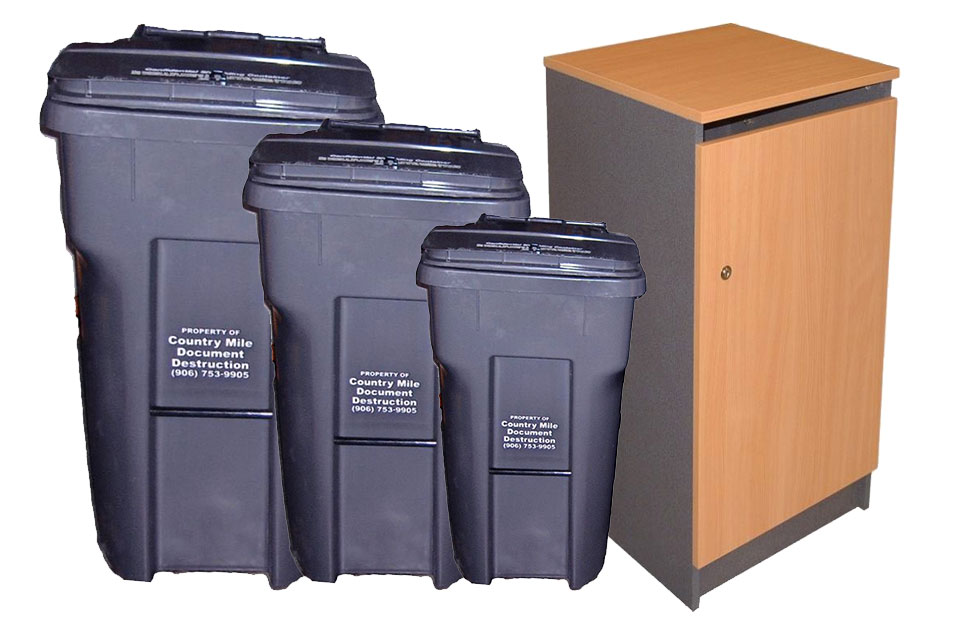
    An image of the lockable storage containers provided by Country Mile Document Destruction.
    Lockable Storage Containers

    You inventory and classify records by retention rules, remove non-PHI materials, and place PHI in locked consoles or sealed bags. Use signed chain-of-custody forms that list date, time, employee ID, and estimated weight at pickup. Train staff on separation and labeling; for example, a 50-provider clinic reduced misfiled PHI by 60% after instituting weekly audits and locked drop-boxes.

    Shredding Methods and Techniques

    An image of a mobile shredding truck of Country Mile Document Destruction
    Shredding Truck

    You choose between on-site mobile shredding, where a truck shreds in view, and off-site facility shredding with secure transport. For paper PHI, require cross-cut or micro-cut shredders that render documents indecipherable; for electronic media, follow NIST SP 800-88 guidance. On-site visits can be scheduled weekly, monthly, or for single cleanouts, depending on your document volume.

    For greater assurance, select DIN 66399 P‑4 or higher for confidential medical files and consider micro-cut for billing/consent forms. For hard drives, combine degaussing and physical destruction or HDD crushers that fracture platters; solid state drives need physical pulverization or NIST‑recommended sanitization. Many providers log shredded tonnage and provide video or witness options for high-risk disposals.

    Post-Shredding Procedures

    You obtain a Certificate of Destruction that lists date, method, weight, and provider signature, and retain it in your compliance files. Verify the COD matches your pickup log and chain-of-custody records. Also, confirm whether shredded material is recycled or incinerated, and request recycling receipts when environmental reporting matters to your organization.

    After shredding, archive CODs and pickup logs to support audits and HIPAA inquiries; include photos or timestamps if available. Audit your vendor quarterly for diversion rates and secure transport compliance, and test a sample of shredded output periodically to ensure particle size meets your policy. This helps demonstrate that PHI was rendered unreadable and irreconstructible.

    Factors to Consider for Shredding Services

    You should evaluate security, certifications, and operational details before signing a contract:

    • On-site vs. off-site shredding – on-site reduces transit exposure
    • Chain-of-custody, BAAs, and audit logging
    • Shred type – cross-cut or micro-cut, particle size, or a recyclable pulp
    • Certificate of Destruction and retention of receipts

    After you select a vendor, require periodic audits and monthly pickup records to verify ongoing compliance.

    Compliance with HIPAA Standards

    You must ensure your vendor will sign a Business Associate Agreement (BAA), maintain chain-of-custody documentation, provide a Certificate of Destruction, and use shredding methods that render PHI unreadable and unreconstructible; NAID AAA or ISO 9001 certifications, plus on-site shredding options and detailed audit logs, materially reduce your exposure to fines ranging from $100 to $50,000 per violation.

    Environmental Considerations

    You should choose shredding services that recycle shredded paper and responsibly handle e-waste, verifying diversion rates and recycling partners to avoid landfill or incineration and to support your sustainability goals.

    Request specific metrics from providers: percentage of material diverted from landfill, names of paper mills or pulping facilities, and electronics certifications such as R2 or e-Stewards; for example, a vendor that documents >90% diversion with mill receipts and offers on-site mobile shredding demonstrates both secure destruction and reduced CO2 from fewer transport trips.

    Pros and Cons of Using Professional Shredding Services

    Pros and Cons of Professional Shredding Services

    ProsCons
    Regulatory compliance support with Certificates of Destruction and chain-of-custody records.Higher recurring cost compared with in-house shredders and staff time.
    Certified destruction methods (cross‑cut, ePHI sanitization) that meet HIPAA standards.Scheduling constraints – pickups often follow weekly or monthly routes, not immediate on demand.
    On‑site mobile shredding lets you watch the destruction and reduces reconstruction risk.Off‑site services introduce transport windows unless you require on‑site destruction.
    Audit trails and documentation simplify audits and are ISO 9001 certified by NSF‑ISR.Contracts or minimums may apply, creating fixed costs for smaller practices.
    Frees staff time – you avoid training, supervision, and retention liability for shredded PHI.Vendor vetting needed; inadequate providers can expose you to compliance risk.
    Recycling and responsible disposal pathways for paper and e‑waste.Additional fees can apply for hard‑drive or specialty media destruction.
    Reduces risk of HIPAA fines (civil fines up to $50,000 per violation; criminal penalties possible).Peak‑season or last‑minute cleanouts may incur rush fees or delays.

    Advantages of Professional Services

    You gain documented compliance-Certificates of Destruction, chain‑of‑custody logs, and certified cross‑cut or ePHI destruction-that help you avoid HIPAA fines (civil penalties can reach $50,000 per violation) and simplify audits. Many vendors, including ISO‑certified providers, offer on‑site mobile shredding so you can verify destruction, schedule regular pickups, and eliminate staff time spent handling PHI.

    Potential Drawbacks

    You may face higher recurring costs, minimum‑volume contracts, and scheduling limits that don’t match urgent needs; off‑site shredding can introduce short transport windows unless you insist on on‑site destruction. Vetting vendors for certifications and insurance is necessary to avoid added compliance risk.

    In practice, you should request the vendor’s COD, proof of ISO or SOC reports, background check policies, and insurance limits before signing. Some providers charge per bin or per pound and impose minimum monthly fees, so compare quotes and contract terms; if you need immediate disposal for a one‑time purge, expect one‑time or rush fees. Choosing on‑site mobile shredding removes most transport concerns and preserves a visible audit trail.

    Summing up

    So you must ensure your practice disposes of PHI by rendering it unreadable and unrecoverable; use certified HIPAA-compliant shredding services like Proshred®️ Security for on-site or off-site cross-cut destruction, documented with Certificates of Destruction, to meet retention rules, reduce liability, and protect your patients’ privacy.


    Related Blog Posts

  • HIPAA Compliance in Healthcare Apps: Top 5 Developer Questions Answered

    In the rapidly evolving world of healthcare technology, developers face unique challenges when it comes to creating applications that handle sensitive patient data. The Health Insurance Portability and Accountability Act (HIPAA) sets strict standards for protecting patient information, and non-compliance can result in severe penalties. In a recent episode of the HIPAA Vault Show, experts delved into the complexities of developing HIPAA-compliant healthcare apps, addressing the top five questions that developers frequently encounter.

    1. What Constitutes Protected Health Information (PHI)?

    One of the first questions developers must address is understanding what exactly constitutes Protected Health Information (PHI). PHI goes beyond just medical records; it includes any information that can be used to identify a patient in conjunction with their health data. This can include:

    • Names
    • Addresses
    • Social Security numbers
    • Medical record numbers
    • Health plan beneficiary numbers
    • Any other unique identifying number, characteristic, or code

    It’s crucial for developers to recognize that even if an app doesn’t directly handle medical records, it may still be dealing with PHI if it collects or processes any information that could be used to identify a patient.

    2. What Security Measures Are Essential for HIPAA Compliance?

    Implementing robust security measures is paramount when developing HIPAA-compliant apps. Some essential security measures include:

    • End-to-end encryption for all data transmission and storage
    • Strong authentication mechanisms, including multi-factor authentication
    • Regular security audits and vulnerability assessments
    • Comprehensive access controls and user permission management
    • Secure backup and disaster recovery systems

    Developers should approach security as an integral part of the application architecture rather than an afterthought. This proactive approach helps ensure that patient data remains protected throughout the app’s lifecycle.

    3. How Much Does HIPAA Compliance Cost?

    The cost of HIPAA compliance can vary significantly depending on the scale and complexity of the application. Factors that influence the cost include:

    • Infrastructure and hosting expenses for secure, compliant environments
    • Development time for implementing security features and compliance measures
    • Ongoing maintenance and updates to keep up with evolving regulations
    • Staff training on HIPAA requirements and best practices
    • Regular audits and assessments

    While the initial investment may seem substantial, it’s important to view HIPAA compliance as a necessary cost of doing business in the healthcare sector. The potential fines and reputational damage from non-compliance far outweigh the upfront costs of ensuring proper protection for patient data.

    4. How to Maintain Ongoing HIPAA Compliance?

    Maintaining HIPAA compliance is an ongoing process that requires constant vigilance. Key strategies for ensuring continued compliance include:

    • Regular staff training and awareness programs
    • Periodic risk assessments and security audits
    • Staying informed about updates to HIPAA regulations
    • Implementing a robust incident response plan
    • Conducting regular reviews of business associate agreements

    Developers should view compliance as a continuous journey rather than a one-time achievement. By fostering a culture of compliance within their organization, they can ensure that their healthcare apps remain secure and compliant over time.

    5. What Are the Challenges of HIPAA Compliance for Startups?

    Startups in the healthcare space face unique challenges when it comes to HIPAA compliance:

    • Limited resources for implementing comprehensive security measures
    • Lack of in-house expertise on HIPAA regulations
    • Balancing rapid development with compliance requirements
    • Navigating complex regulations while trying to innovate

    Despite these challenges, startups can succeed by prioritizing compliance from the outset. This may involve partnering with HIPAA-compliant service providers, seeking expert consultation, and building a strong foundation of security and privacy practices from day one.

    Conclusion

    Creating HIPAA-compliant healthcare apps requires a deep understanding of the regulations, a commitment to security, and ongoing vigilance. By addressing these top five questions, developers can lay a strong foundation for building applications that not only innovate in the healthcare space but also protect the sensitive information of patients.

    Remember, HIPAA compliance is not just about avoiding penalties; it’s about earning and maintaining the trust of patients and healthcare providers. As the healthcare technology landscape continues to evolve, developers who prioritize compliance will be well-positioned to create successful, secure, and trusted applications that make a real difference in patient care.

    For more information on HIPAA compliance and secure healthcare app development, visit HIPAA Vault or tune in to the HIPAA Vault Show for expert insights and guidance.

    For more information on HIPAA document destruction, you can contact Country Mile Document Destruction which serves the Midwest at (906) 753-9905.

    Related Blog Posts

  • Healthcare Data Breaches 2024: A Year of Unprecedented Cyber Attacks

    The healthcare sector faced an alarming surge in data breaches in 2024, with unprecedented cyber-attacks. These incidents exposed sensitive patient information disrupted healthcare services, and resulted in significant financial losses. In this article, we’ll examine the top 10 healthcare breaches of 2024, analyze how they occurred, and discuss prevention strategies, including the role of proper document destruction in safeguarding patient data.

    The 2024 Healthcare Data Breach Landscape

    Before diving into the specific incidents, it’s crucial to understand the broader context of healthcare data breaches in 2024. According to the HIPAA Journal, there were 725 reported healthcare data breaches throughout the year, exposing approximately 275 million records. This staggering figure represents a significant increase from previous years, highlighting the growing threat to patient data security.

    Key statistics from 2024:

    • Total reported breaches: 725
    • Records exposed: 275 million
    • Hacking incidents: 81.2% of total breaches
    • Improper disposal incidents: 0.6% of total breaches

    These numbers underscore the urgent need for healthcare organizations to strengthen their cybersecurity measures and ensure proper handling of sensitive information, both in digital and physical formats.

    Top 10 Healthcare Breaches of 2024: Scale and Impact

    Let’s examine the ten most significant healthcare data breaches of 2024, detailing how they occurred and their impact on patients and healthcare providers.

    1. Change Healthcare: 100,000,000 Individuals Affected

    The Change Healthcare breach stands out as the most severe incident of 2024, impacting a staggering 100 million individuals. This cyberattack, attributed to the AlphV/Blackcat ransomware group, resulted in:

    • $3.1 billion in response costs
    • A $22 million Bitcoin ransom payment
    • Widespread disruption of healthcare services across the United States

    The breach occurred when hackers exploited vulnerabilities in Change Healthcare’s network infrastructure, gaining unauthorized access to vast amounts of patient data. This incident highlighted critical cybersecurity gaps in the healthcare ecosystem, including:

    1. Ecosystem chokepoints
    2. Lack of coordinated response
    3. Absence of a national strategy for healthcare cybersecurity

    2. Kaiser Foundation Health Plan: 13,400,000 Individuals Affected

    In mid-April 2024, Kaiser Permanente experienced a significant data breach affecting 13.4 million individuals. The incident involved:

    • Inadvertent data sharing with third-party advertisers
    • Exposure of personal identifiers and health information
    • Potential violations of HIPAA regulations

    This breach occurred due to a misconfiguration in Kaiser’s data management systems, allowing unauthorized access to patient information by third-party advertising platforms. The incident underscores the importance of rigorous data handling practices and regular security audits.

    3. HealthEquity: 4,300,000 Individuals Affected

    HealthEquity, a major health savings account provider, suffered a data breach impacting 4.3 million individuals. The breach was caused by:

    • A sophisticated phishing attack targeting employee credentials
    • Unauthorized access to customer accounts and personal information
    • Potential exposure of financial data linked to health savings accounts

    This incident highlights the ongoing threat of social engineering attacks and the need for robust employee training programs to recognize and prevent phishing attempts.

    4. Concentra Health Services: 3,998,163 Individuals Affected

    Concentra Health Services, a subsidiary of Select Medical, experienced a data breach affecting nearly 4 million individuals. The breach resulted from:

    • A compromised employee email account
    • Unauthorized access to patient medical records and personal information
    • Potential exposure of sensitive health data and insurance details

    This incident emphasizes the importance of implementing multi-factor authentication and advanced email security measures to protect against account compromises.

    5. Centers for Medicare & Medicaid Services: 3,112,815 Individuals Affected

    The Centers for Medicare & Medicaid Services (CMS) reported a data breach impacting over 3 million individuals. The breach occurred due to:

    • A vulnerability in a third-party file transfer application
    • Unauthorized access to Medicare beneficiary data
    • Exposure of sensitive personal and health information

    This breach underscores the need for rigorous vetting and ongoing monitoring of third-party vendors and their security practices.

    6. Acadian Ambulance Service: 2,896,985 Individuals Affected

    Acadian Ambulance Service, a major emergency medical service provider, suffered a data breach affecting nearly 2.9 million individuals. The incident involved:

    • A ransomware attack on the company’s IT systems
    • Encryption of patient data and operational systems
    • Potential exposure of medical records and personal information

    This breach highlights the ongoing threat of ransomware attacks in the healthcare sector and the need for robust backup and recovery systems.

    7. Sav-Rx: 2,812,336 Individuals Affected

    Sav-Rx, a pharmacy benefit management company, experienced a data breach impacting over 2.8 million individuals. The breach was caused by:

    • A sophisticated cyberattack on the company’s databases
    • Unauthorized access to prescription data and personal information
    • Potential exposure to sensitive health and medication details

    This incident emphasizes the importance of implementing strong data encryption and access controls to protect sensitive healthcare information.

    8. WebTPA: 2,518,533 Individuals Affected

    WebTPA, a third-party administrator for health plans, reported a data breach affecting more than 2.5 million individuals. The breach resulted from:

    • A security vulnerability in a web application
    • Unauthorized access to member portals and personal information
    • Exposure of claims data and health plan details

    This breach underscores the need for regular security assessments and prompt patching of identified vulnerabilities in healthcare applications.

    9. Integris Health: 2,385,646 Individuals Affected

    Integris Health, Oklahoma’s largest healthcare system, suffered a data breach impacting nearly 2.4 million individuals. The incident involved:

    • A sophisticated cyberattack on the organization’s network
    • Unauthorized access to patient medical records and personal information
    • Potential exposure of sensitive health data and insurance details

    This breach highlights the importance of implementing robust network segmentation and intrusion detection systems to protect against advanced cyber threats.

    10. Medical Management Resource Group: 2,350,236 Individuals Affected

    Medical Management Resource Group, a healthcare management services provider, experienced a data breach affecting over 2.3 million individuals. The breach was caused by:

    • An insider threat involving a former employee
    • Unauthorized access to patient databases and billing information
    • Potential exposure of sensitive medical and financial data

    This incident emphasizes the need for strict access controls, regular audits, and proper offboarding procedures to mitigate insider threats in healthcare organizations.

    Healthcare Cybersecurity: Lessons Learned from 2024 Breaches

    The healthcare data breaches of 2024 reveal several critical vulnerabilities and areas for improvement in the industry’s cybersecurity practices:

    1. Third-party risk management: Many breaches involved vulnerabilities in third-party applications or services, highlighting the need for thorough vendor assessments and ongoing monitoring.
    2. Employee training and awareness: Phishing attacks and insider threats played a significant role in several breaches, underscoring the importance of comprehensive security awareness programs.
    3. Data encryption and access controls: Implementing strong encryption and granular access controls can help minimize the impact of breaches when they occur.
    4. Incident response and recovery: Organizations with well-prepared incident response plans and robust backup systems were better equipped to mitigate the impact of cyberattacks.
    5. Physical document security: While many breaches were digital, the importance of proper physical document handling and destruction cannot be overlooked.

    Patient Data Protection: Strategies to Prevent Future Breaches

    To enhance patient data protection and prevent future breaches, healthcare organizations should consider implementing the following strategies:

    1. Adopt a comprehensive security framework that addresses both digital and physical security measures.
    2. Implement strong authentication methods, including multi-factor authentication for all user accounts.
    3. Regularly update and patch all systems and applications to address known vulnerabilities.
    4. Conduct frequent security assessments and penetration testing to identify and address potential weaknesses.
    5. Develop and maintain a robust incident response plan, including regular drills and simulations.
    6. Implement proper document destruction protocols to ensure sensitive physical records are securely disposed of.

    HIPAA Compliance: Key to Mitigating Healthcare Data Breaches

    Strict adherence to HIPAA compliance guidelines is essential for healthcare organizations to safeguard patient information and avoid costly breaches. Key aspects of HIPAA compliance include:

    1. Conducting regular risk assessments to identify potential vulnerabilities in data handling processes.
    2. Implementing appropriate technical safeguards, such as encryption and access controls.
    3. Developing and enforcing policies and procedures for data protection and privacy.
    4. Providing ongoing training to employees on HIPAA requirements and best practices.
    5. Ensuring proper documentation and record-keeping of all data-related activities.
    6. Implementing secure methods for data disposal, including both electronic and physical records.

    The Role of Document Destruction in Preventing Data Breaches

    While many of the top 10 healthcare breaches in 2024 were primarily digital, it’s crucial not to overlook the importance of proper physical document handling and destruction. Services like Country Mile Document Destruction play a vital role in preventing data breaches that can occur through improper disposal of sensitive documents by destroying paper documents to an unusable, but eco-friendly pulp and destroying discarded hard drives since erasing (wiping them clean) DOES NOT always work.

    Several of the breaches mentioned, particularly those involving insider threats or unauthorized access to physical records, could have potentially been mitigated or prevented through proper document destruction practices. For example:

    • The Medical Management Resource Group breach, which involved an insider threat, might have been less severe if sensitive physical documents had been securely shredded and disposed of.
    • Healthcare organizations like Kaiser Foundation Health Plan and Integris Health could benefit from professional document destruction services to ensure that any printed patient records or administrative documents are securely disposed of, reducing the risk of physical data breaches.

    Implementing a comprehensive document destruction protocol, including regular shredding services, can help healthcare organizations:

    1. Comply with HIPAA regulations regarding the disposal of protected health information (PHI).
    2. Reduce the risk of physical data breaches through improper document disposal.
    3. Protect against insider threats by limiting access to sensitive physical records.
    4. Demonstrate a commitment to data security across all formats, both digital and physical.

    Conclusion: A Call for Heightened Vigilance

    The healthcare data breaches of 2024 serve as a stark reminder of the ongoing and evolving threats to patient data security. As cyber-attacks become increasingly sophisticated, healthcare organizations must adopt a multi-faceted approach to data protection that encompasses both digital and physical security measures.

    By learning from these incidents, implementing robust cybersecurity practices, ensuring HIPAA compliance, and partnering with professional services like Country Mile Document Destruction, healthcare providers can significantly reduce their risk of data breaches and better protect the sensitive information entrusted to them by patients.

    As we move forward, it’s clear that data security in healthcare requires constant vigilance, ongoing education, and a commitment to best practices across all levels of an organization. Only through these concerted efforts can we hope to stem the tide of healthcare data breaches and safeguard the privacy and trust of patients nationwide.

    Related Blog Posts

  • 2024 Healthcare Data Breaches: A Wake-Up Call for the Industry

    The healthcare industry faced unprecedented challenges in 2024, with data breaches reaching alarming levels. According to a recent report by SecurityWeek, a staggering 720 incidents resulted in the compromise of 186 million patient records. This surge in healthcare data breaches highlights the urgent need for robust security measures and proper data handling practices.

    The Scope of the Problem

    The alarming rise in healthcare data breaches in 2024 highlights the urgent need for robust security measures. Of the 720 reported incidents, nearly 600 were classified as ‘hacking/IT incidents,’ indicating a significant vulnerability in the sector’s digital infrastructure. The breakdown of these breaches reveals a concerning trend:

    • Approximately 450 breaches involved network servers
    • Around 160 incidents targeted email systems

    These statistics underscore the diverse attack vectors that cybercriminals are exploiting to gain access to sensitive patient information.

    For network breaches and emails any discarded hard drives can also be a source of attacks. Please read our report on how discarded hard drives that have been wiped can still have the information recovered. Read this report on how Morgan Stanley fell victim to this.

    Major Organizations Impacted

    The list of organizations affected by these breaches reads like a who’s who of the healthcare industry:

    1. Kaiser Permanente: 13.4 million records
    2. Ascension Health: 5.5 million records
    3. HealthEquity: 4.3 million records
    4. Concentra Health Services: 3.9 million records
    5. Centers for Medicare & Medicaid Services: 3.1 million records
    6. Acadian Ambulance Service: 2.8 million records
    7. A&A Services, dba Sav-Rx: 2.8 million records
    8. WebTPA: 2.5 million records
    9. Integris Health: 2.3 million records

    These breaches not only compromise patient privacy but also expose healthcare providers to significant financial and reputational risks.

    Ensuring HIPAA Compliant Document Destruction in Healthcare

    Implementing HIPAA-compliant document destruction processes is crucial for healthcare organizations to prevent data breaches. With the increasing focus on digital security, it’s easy to overlook the importance of properly disposing of physical documents. However, printed emails, patient records, and other paper documents can be just as vulnerable to theft or unauthorized access.

    Best Practices for Secure Data Disposal in Healthcare

    Proper secure data disposal practices are essential to protect patient information from falling into the wrong hands. Here are some key steps healthcare organizations should take:

    1. Implement a clear document destruction policy
    2. Use document destruction services that reduce your documents to an eco-friendly pulp.
    3. Partner with a professional document destruction service like Country Mile Document Destruction.
    4. Regularly train staff on proper disposal procedures
    5. Maintain a secure chain of custody for all documents awaiting destruction

    You can read our HIPAA Comprehensive Guide on our website.

    Strengthening Medical Record Protection: Lessons from Recent Breaches

    Enhancing medical record protection should be a top priority for healthcare providers in light of recent breaches. While digital security is crucial, it’s important not to neglect physical documents and storage devices. Hard drive destruction is a critical component of a comprehensive data protection strategy.

    When disposing of old computers, servers, or other electronic devices, simply deleting files or formatting the drive is not sufficient. Cybercriminals can often recover data from these devices using specialized software. To truly protect patient information, healthcare organizations should:

    1. Use professional hard drive destruction services like how Country Mile uses
    2. Implement a secure e-waste disposal program
    3. Maintain an inventory of all devices containing sensitive data
    4. Regularly audit and update data storage and disposal practices

    Enhancing Healthcare Cybersecurity: Proactive Measures for 2024

    Investing in advanced healthcare cybersecurity measures can significantly reduce the risk of data breaches and protect patient trust. As we move forward in 2024, healthcare organizations should focus on:

    1. Implementing multi-factor authentication across all systems
    2. Regularly updating and patching software and hardware
    3. Conducting frequent security audits and penetration testing
    4. Educating staff on phishing and social engineering tactics
    5. Developing and testing incident response plans

    By taking a proactive approach to cybersecurity, healthcare providers can better protect themselves and their patients from the growing threat of data breaches.

    Conclusion: Protecting Patient Data in the Digital Age

    The healthcare data breaches of 2024 serve as a stark reminder of the ongoing challenges facing the industry. As cyber threats continue to evolve, it’s crucial for healthcare organizations to stay vigilant and adopt comprehensive security measures that address both digital and physical vulnerabilities.

    At Country Mile Document Destruction, we understand the unique challenges facing the healthcare industry. Our HIPAA-compliant document destruction services provide a secure, efficient solution for disposing of sensitive patient information. From on-site shredding to hard drive destruction, we offer customized solutions to meet your organization’s specific needs.

    Don’t let your patient data become another statistic. Contact Country Mile Document Destruction today to learn how we can help protect your organization from the growing threat of data breaches.

    Related Blog Posts

  • HIPAA Security Rule Update: Strengthening Cybersecurity in Healthcare

    In a landmark move to address the escalating cyber threats in the healthcare sector, the U.S. Department of Health and Human Services (HHS) has proposed significant updates to the HIPAA Security Rule. These changes, announced in January 2025, aim to fortify the protection of electronic protected health information (ePHI) and modernize cybersecurity practices across the healthcare industry.

    The Need for Change

    The healthcare industry has witnessed an alarming surge in cyberattacks, with a 55% increase reported in 2024 alone. Even more concerning, a recent study revealed that ransomware attacks are responsible for the death of one Medicare patient every month in the United States. These statistics underscore the urgent need for robust cybersecurity measures in healthcare organizations.

    Key Updates to the HIPAA Security Rule

    1. Enhanced Risk Analysis Requirements

    The proposed rule mandates more frequent and comprehensive risk assessments:

    • Annual risk analysis and evaluation
    • Gap assessments to identify vulnerabilities
    • Evaluation of new technologies upon adoption

    2. Stricter Access Control Policies

    To prevent unauthorized access to ePHI, the updates include:

    • Mandatory multi-factor authentication (MFA) for all system logins
    • Implementation of role-based access controls
    • Regular review and updates of access privileges

    3. Encryption and Network Segmentation

    The proposed changes emphasize the importance of data protection:

    • Required encryption of ePHI at rest and in transit
    • Network segmentation to isolate sensitive data
    • Use of secure encryption algorithms

    4. Incident Response and Recovery

    To improve resilience against cyber incidents, organizations must:

    • Develop and maintain written procedures for system restoration
    • Conduct annual compliance audits
    • Perform semi-annual vulnerability scans and annual penetration tests

    5. Business Associate Accountability

    The updates extend cybersecurity responsibilities to business associates:

    • Annual verification of technical safeguards
    • Prompt notification of contingency plan activation
    • Updates to Business Associate Agreements

    Impact on Small to Medium-Sized Healthcare Businesses

    While these changes apply to all HIPAA-regulated entities, small to medium-sized healthcare businesses may face unique challenges in implementation. However, the importance of these measures cannot be overstated. Here are some steps these organizations can take:

    1. Conduct a thorough risk assessment: Identify vulnerabilities in your current systems and processes.
    2. Implement multi-factor authentication: This is a cost-effective way to significantly enhance security.
    3. Develop a comprehensive employee training program: Foster a culture of security awareness among staff.
    4. Review and update business associate agreements: Ensure all partners are aligned with the new requirements.
    5. Consider cybersecurity insurance: This can provide an additional layer of protection against potential breaches.

    Looking Ahead

    Healthcare leaders must recognize that these changes are not just regulatory obligations but vital steps in protecting sensitive patient data. By embracing these updates, organizations can build trust with patients, reduce the risk of costly data breaches, and contribute to a more secure healthcare ecosystem.

    The public comment period for these proposed changes ends on March 7, 2025. Healthcare organizations are encouraged to review the proposed rule and provide feedback to ensure the final regulations are both effective and implementable.

    As we move forward, it’s clear that cybersecurity will continue to be a critical aspect of healthcare delivery. By taking proactive steps now, healthcare organizations can position themselves at the forefront of patient data protection and set a new standard for security in the industry.

    Related Blog Posts

  • HIPAA Requirements for Document Destruction: A Comprehensive Guide

    The Health Insurance Portability and Accountability Act (HIPAA) sets strict standards for the protection and disposal of Protected Health Information (PHI). To ensure compliance, covered entities must follow specific guidelines when destroying various types of documents, including paper records, hard drives, video records, x-rays, financial documents, and other electronic media. This blog post explores the HIPAA requirements for document destruction, detailing the process and answering common questions related to HIPAA-compliant disposal practices.

    HIPAA-Compliant Document Destruction Processes

    Paper Documents

    Paper documents containing PHI must be rendered unreadable and indecipherable. Acceptable methods include:

    • Shredding: Use cross-cut shredders that produce confetti-like pieces.
    • Pulping: Break down paper fibers into a slurry, making reconstruction impossible.
    • Burning: Incinerate documents completely to ash.
    • Pulverizing: Crush documents into tiny, unrecognizable fragments.

    Hard Drives and Electronic Media

    For hard drives and other electronic media storing ePHI (electronic Protected Health Information), HIPAA requires:

    • Degaussing: Use a machine to disrupt the magnetic fields, erasing the data.
    • Physical Destruction: Shred, crush, or drill holes into hard drives to make them unusable.
    • Overwriting: Use software to overwrite data with random patterns multiple times.

    Video Records and X-Rays

    Video records and X-rays must be destroyed in a way that ensures the data is unreadable:

    • Shredding: Use specialized shredders for these materials.
    • Chemical Destruction: Apply chemicals that break down the data storage medium.
    • Incineration: Burn the materials to ensure total destruction.

    Financial Documents

    Financial documents containing PHI must be treated with the same care as medical records:

    • Shredding: Cross-cut shredders are recommended.
    • Pulping and Burning: Follow the same protocols as for paper documents.

    Electronic Media

    Electronic media such as CDs, DVDs, and USB drives should be:

    • Shredded: Use industrial shredders designed for these media.
    • Pulverized: Crush the media into small, unrecognizable pieces.

    Common Questions About HIPAA Document Destruction

    What are the requirements for covered entities under HIPAA Privacy and Security Rules for disposing of protected health information?

    HIPAA requires covered entities to implement reasonable safeguards to ensure the confidentiality of PHI during disposal. This includes using methods that render PHI unreadable, indecipherable, and incapable of being reconstructed.

    Is it permissible for a covered entity to dispose of protected health information in dumpsters accessible to the public?

    No, disposing of PHI in dumpsters accessible by the public is not compliant with HIPAA. PHI must be rendered unreadable and indecipherable before disposal.

    Can a covered entity hire a business associate to manage the disposal of protected health information?

    Yes, covered entities may hire business associates to dispose of PHI. The business associate must comply with HIPAA regulations and ensure the secure destruction of PHI.

    Can a covered entity reuse or dispose of computers and other electronic media that store electronic protected health information (ePHI)?

    Covered entities may reuse or dispose of computers and electronic media if they ensure that all ePHI is securely removed. This includes degaussing, overwriting, or physically destroying the media.

    What is the proper method for home health workers and other workforce members of a covered entity to dispose of protected health information used off-site?

    Home health workers should follow the same protocols for secure disposal as they would on the covered entity’s premises. This includes shredding paper documents and ensuring electronic media is securely erased or destroyed.

    Is there a retention period for patients’ medical records mandated by the HIPAA Privacy Rule?

    HIPAA does not specify a retention period for medical records; however, other federal and state laws may impose retention requirements. Covered entities must comply with these laws while ensuring the secure disposal of PHI when records are no longer needed.

    Is it permissible to shred HIPAA documents in my office or business?

    Yes, you can shred your own HIPAA documents as long as you use methods that render the information unreadable and indecipherable. Cross-cut shredders are recommended for this purpose.

    Can we comply with HIPAA regulations by purchasing and using our own shredders?

    Yes, using your own shredders can be HIPAA compliant if the shredders produce particles small enough to render the documents unreadable and indecipherable. Cross-cut or micro-cut shredders are recommended.

    After shredding HIPAA documents, can the shredded materials be disposed of in regular trash or recycling bins, or is there a specific disposal process required?

    Once the documents are properly shredded and rendered unreadable, they can be disposed of in the normal trash or recycling bin. However, ensuring the shredded materials cannot be reconstructed is crucial.

    What makes a shredding service “HIPAA compliant”?

    A HIPAA-compliant shredding service must ensure that PHI is rendered unreadable, indecipherable, and incapable of being reconstructed. They should provide a certificate of destruction as proof of compliance and have secure processes in place to handle PHI safely.

    In conclusion, HIPAA sets stringent requirements for the disposal of PHI to protect patient privacy and ensure data security. By following these guidelines and using approved methods for document destruction, covered entities can remain compliant and safeguard sensitive information. Whether disposing of paper records, electronic media, or other types of documents, the key is to render the information unreadable and indecipherable to prevent unauthorized access.

    Related Blog Posts

  • Unveiling the Fair Debt Reporting Act: Safeguarding Your Business

    In the intricate web of regulations governing business practices, one statute stands out for its pivotal role in protecting consumer rights and ensuring fair business conduct – the Fair Debt Reporting Act (FDRA). Enacted with the noble intention of regulating the collection, dissemination, and use of consumer information, the FDRA carries significant implications for businesses across industries. But what exactly does this statute entail, and how does it intertwine with the imperative of document destruction? Let’s delve into the depths of this essential legislation to uncover its relevance and implications for your business.

    Deciphering the Fair Debt Reporting Act

    At its core, the Fair Debt Reporting Act is a federal law designed to promote the accuracy, fairness, and privacy of consumer information contained in the files of consumer reporting agencies. Governed by the Federal Trade Commission (FTC), this act imposes strict guidelines on how businesses collect, use, and disclose consumer information, primarily in the context of credit reporting. From credit bureaus to debt collectors, entities involved in the process of handling consumer data are bound by the provisions of the FDRA.

    The Nexus Between Document Destruction and Compliance

    In the labyrinth of compliance requirements stipulated by the FDRA, the importance of secure document destruction emerges as a critical imperative for businesses. Ensuring the confidentiality and integrity of consumer information isn’t merely a best practice – it’s a legal mandate. With the proliferation of data breaches and identity theft incidents, the stakes of non-compliance have never been higher. This is where Country Mile Document Destruction emerges as a beacon of assurance and compliance.

    How Country Mile Document Destruction Can Help

    Country Mile Document Destruction is not just another shredding service – it’s a trusted partner dedicated to fortifying your business against the perils of non-compliance. With state-of-the-art shredding technology and rigorous adherence to industry standards, we offer comprehensive document destruction solutions tailored to your business needs. Here’s how we can assist you in navigating the intricacies of the FDRA:

    1. Compliance Expertise:

    Our team of compliance experts possesses a profound understanding of the FDRA and its implications for businesses. We’ll work closely with you to develop a customized document destruction strategy aligned with the regulatory requirements, mitigating your risk and safeguarding your reputation.

    2. Secure Shredding Protocols:

    At Country Mile Document Destruction, security isn’t just a buzzword – it’s our commitment. Utilizing advanced shredding equipment and stringent security protocols, we ensure the irretrievable destruction of sensitive documents, minimizing the risk of data breaches and regulatory violations.

    3. Peace of Mind:

    By entrusting your document destruction needs to Country Mile, you can rest assured that your business is in safe hands. From on-site shredding services for maximum security to environmentally responsible disposal practices, we prioritize confidentiality, integrity, and sustainability in every aspect of our operations.

    Conclusion: Fortify Your Business with Country Mile Document Destruction

    In an era defined by heightened regulatory scrutiny and escalating cybersecurity threats, compliance isn’t just a choice – it’s an imperative for businesses seeking longevity and trust. As you navigate the complexities of the Fair Debt Reporting Act and its ramifications for your business, remember that adherence to regulatory mandates isn’t a burden – it’s an opportunity to demonstrate your commitment to integrity and consumer protection. With Country Mile Document Destruction by your side, achieving compliance isn’t just attainable – it’s inevitable.

    Take the proactive step towards safeguarding your business and preserving consumer trust. Choose Country Mile Document Destruction as your trusted partner in compliance and security. Contact us today to embark on a journey towards unparalleled peace of mind and regulatory resilience.

    Related Blog Posts

  • The Crucial Role of the CFAA in Document Shredding

    In today’s digital age, safeguarding sensitive information is more critical than ever. Businesses must navigate the complex landscape of data security laws to protect themselves and their customers from data breaches and cyber threats. One such pivotal regulation is the Computer Fraud and Abuse Act (CFAA). Originally enacted in 1986, the CFAA serves as a foundational pillar in the realm of cyber law, targeting hacking and unauthorized access to computers and networks. However, its implications extend far beyond the digital realm, playing a significant role in the physical security measures businesses adopt, particularly in document shredding practices.

    Understanding the Computer Fraud and Abuse Act (CFAA)

    The CFAA criminalizes unauthorized access to computer systems and has been amended multiple times to address evolving cybersecurity challenges. It encompasses a wide range of activities, from hacking into networks to accessing a computer without authorization. For businesses, this means that any negligence in handling sensitive information, whether digital or physical, could potentially fall under the scrutiny of the CFAA.

    The Importance of Document Shredding in CFAA Compliance

    While the CFAA primarily focuses on digital information, it’s important to recognize that physical documents often contain the same sensitive information stored digitally. These documents, if not properly disposed of, can become a gateway for data breaches, putting businesses at risk of non-compliance with the CFAA. Document shredding emerges as a crucial practice in this context, serving as a physical counterpart to digital cybersecurity measures.

    Country Mile Document Destruction also destroys Hard Drives for you as well.

    Proper document destruction ensures that confidential information, from customer data to internal communications, is irretrievably destroyed, mitigating the risk of unauthorized access and CFAA violations. It’s not just about compliance; it’s about protecting the integrity of your business and the trust of your customers.

    How Country Mile Document Destruction Ensures Compliance and Security

    Country Mile Document Destruction stands at the forefront of secure document shredding services, offering businesses a reliable partner in their quest for CFAA compliance and beyond. Here’s how Country Mile can help:

    • Certified Shredding Processes: Country Mile utilizes industry-leading shredding technologies that meet the highest standards of security, ensuring that all documents are destroyed beyond reconstruction.
    • Comprehensive Data Protection: Beyond physical document shredding, Country Mile offers services that align with digital security measures, providing a holistic approach to data protection.
    • Customized Shredding Solutions: Recognizing that every business has unique needs, Country Mile offers tailored shredding services, from on-site shredding to secure off-site destruction, accommodating various volumes and types of documents.
    • Regulatory Compliance Expertise: Country Mile’s expertise in regulatory compliance, including the CFAA, means that businesses not only safeguard their data but also adhere to legal requirements, avoiding potential fines and legal challenges.
    • Peace of Mind: Perhaps most importantly, partnering with Country Mile Document Destruction gives businesses the peace of mind that comes with knowing their sensitive information is handled with the utmost care and professionalism, from collection to destruction.

    Conclusion

    In the digital era, the lines between physical and digital data security are increasingly blurred. The CFAA underscores the importance of safeguarding all forms of sensitive information, making document shredding an indispensable part of a comprehensive data protection strategy. Country Mile Document Destruction offers the expertise, technology, and customized services to ensure that businesses not only comply with the CFAA but also protect their reputation and the trust of their customers. In the fight against data breaches and cyber threats, Country Mile is your trusted ally, securing your information every step of the way.

    Related Blog Posts

  • The Truth in Lending Act (TILA): A Beacon of Financial Clarity and Security

    In an era where financial transactions form the backbone of our daily lives, the Truth in Lending Act (TILA) stands as a critical safeguard, ensuring transparency and fairness in the lending landscape. This pivotal legislation, enacted in 1968, was designed to protect consumers like you from the confusion and potential exploitation hidden in the complexities of credit terms. Let’s delve into the catalysts behind TILA’s creation and uncover how partnering with Country Mile Document Destruction fortifies these protections, keeping your financial information secure and your business compliant.

    The Drive Towards Financial Transparency

    The journey to TILA’s enactment was fueled by a growing concern over consumer exploitation through misleading financial practices. Prior to TILA, lenders often advertised credit terms that were unclear or deceptive, making it challenging for consumers to make informed decisions or compare different offers effectively. This led to a public outcry for greater transparency, culminating in the creation of TILA. By standardizing how lending terms are presented and enforcing clear disclosure of key information, TILA empowers consumers to navigate the credit market with confidence and security.

    How TILA Protects You

    TILA’s protections are comprehensive, covering various aspects of credit transactions:

    • Clear Disclosure: Lenders must provide consumers with clear, understandable information about the terms of credit, including interest rates, fees, and the total cost of loans.
    • Right to Cancel: It grants consumers a cooling-off period for certain types of credit transactions, allowing them to cancel the agreement without penalty within three days.
    • Fair Credit Billing: TILA addresses billing disputes and unauthorized charges, providing a framework for consumers to challenge inaccuracies on their credit statements.

    Country Mile Document Destruction: Enhancing TILA Compliance and Protection

    In the context of TILA, the security and proper disposal of financial documents become paramount for businesses. Country Mile Document Destruction offers secure shredding services that not only help businesses comply with TILA but also protect consumers’ financial information from falling into the wrong hands. Here’s how:

    • Preventing Data Breaches: By securely shredding sensitive financial documents, we prevent the unauthorized access and misuse of personal information, aligning with TILA’s goals of consumer protection.
    • Supporting Compliance Efforts: Our document destruction services ensure that businesses handle consumer information responsibly, meeting TILA’s requirements for safeguarding personal financial data.
    • Building Consumer Trust: By demonstrating a commitment to privacy and information security, businesses can strengthen their reputation and build trust with their customers.

    The Online Endorsement

    The significance of services like those provided by Country Mile Document Destruction is widely recognized in online forums and reviews. In an age where data breaches can erode consumer trust and lead to significant legal and financial repercussions, the value of compliant, secure document destruction is immeasurable. Businesses and consumers alike appreciate the peace of mind that comes from knowing their financial information is handled with the utmost care.

    Conclusion

    The Truth in Lending Act was a landmark in consumer finance, illuminating the path for informed decision-making and financial empowerment. In today’s digital age, where information security is more crucial than ever, Country Mile Document Destruction stands as a vital ally. Our services not only ensure compliance with TILA’s stringent standards but also safeguard the very foundation of trust upon which consumer finance rests. Embrace the clarity and security offered by TILA, and let Country Mile Document Destruction be your partner in navigating the complexities of financial transactions with confidence and integrity.

    Related Blog Posts